
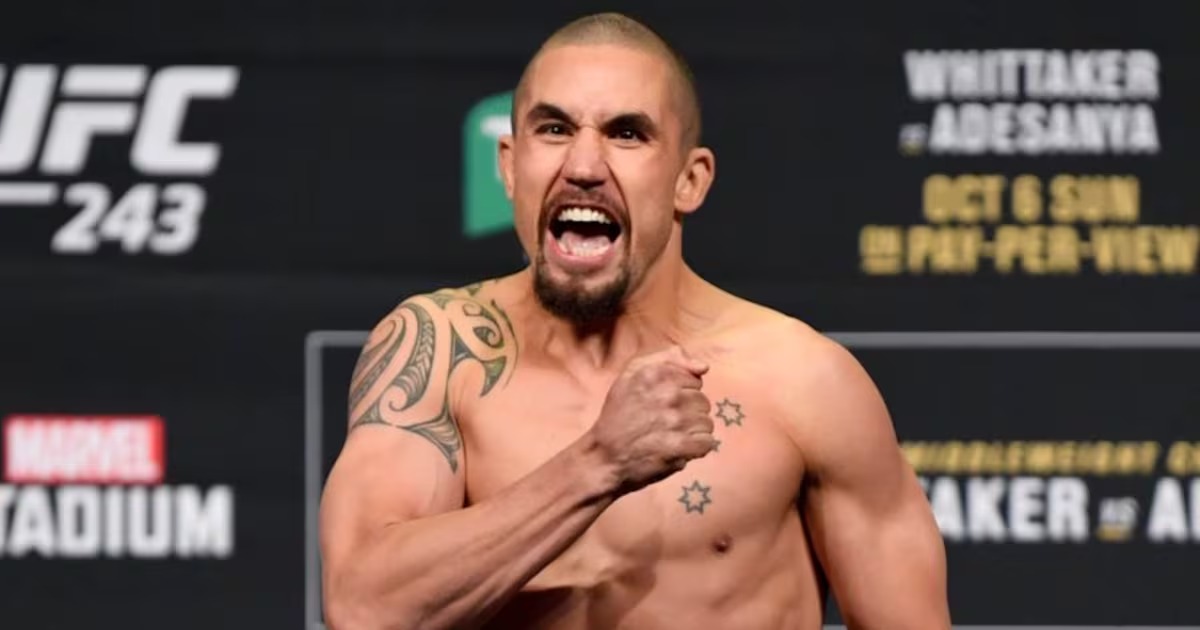
The energy in Las Vegas is reaching a fever pitch as UFC 329 descends upon the T-Mobile Arena. While fight fans are already buzzing for a stacked card, there is a profound narrative unfolding that transcends the typical championship stakes. This Saturday, we witness the rebirth of a legend: Robert “The Reaper” Whittaker is officially making his light heavyweight debut, and he’s doing it while carrying the weight—and the pride—of his Māori heritage.
A New Chapter: The End of the Middleweight Era
For over a decade, Whittaker was a fixture of the 185-pound division, reigning as the undisputed champion from 2017 to 2019. However, the “Reaper” we knew at middleweight is officially a figure of the past. Whittaker has declared that “the chapter has closed,” confirming that his move to 205 pounds is a permanent decision rather than a one-off experiment.
The transition has been described by the veteran as nothing short of “life-changing”. After struggling with the grueling nature of his recent camps and a two-fight losing streak at middleweight, Whittaker realized he needed a radical shift to continue his career. “I was able to fuel myself much more during the camp. Recovery was much higher. My moods were better,” Whittaker shared, noting that he no longer spends the final days of his camp counting down the minutes in a state of starvation. Instead of being drained and distracted by the weight cut, he enters UFC 329 with a “new love and lease on the game”.
Carrying the Mana: More Than a Fighter
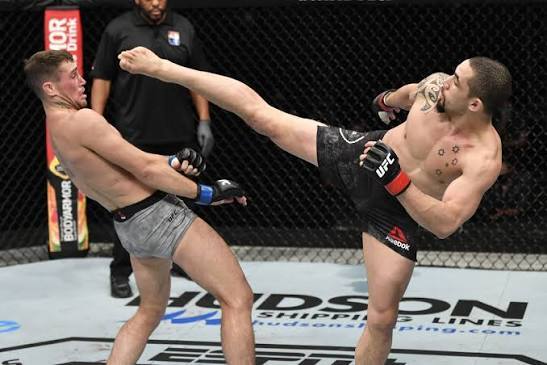
Beyond the tactical shift in weight, Whittaker’s return is deeply rooted in his identity as a Polynesian athlete. Throughout his career, he has been a beacon of humility and discipline, but ahead of UFC 329, he has placed a specific emphasis on his Māori roots and the responsibility he feels to the Pacific community.
Whittaker views every walk to the Octagon as an opportunity to prove that cultural pride and world-class success are inseparable. By bringing his “entire tribe” with him to this fight, he is demonstrating that a fighter’s greatest source of strength isn’t just physical—it’s the foundation of where they come from. For the young Māori and Pacific Islander athletes watching from Aotearoa New Zealand, Australia, and across the diaspora, Whittaker’s message is clear: trust the process, remain disciplined, and never abandon who you are.
A Historic Night for Polynesian Power
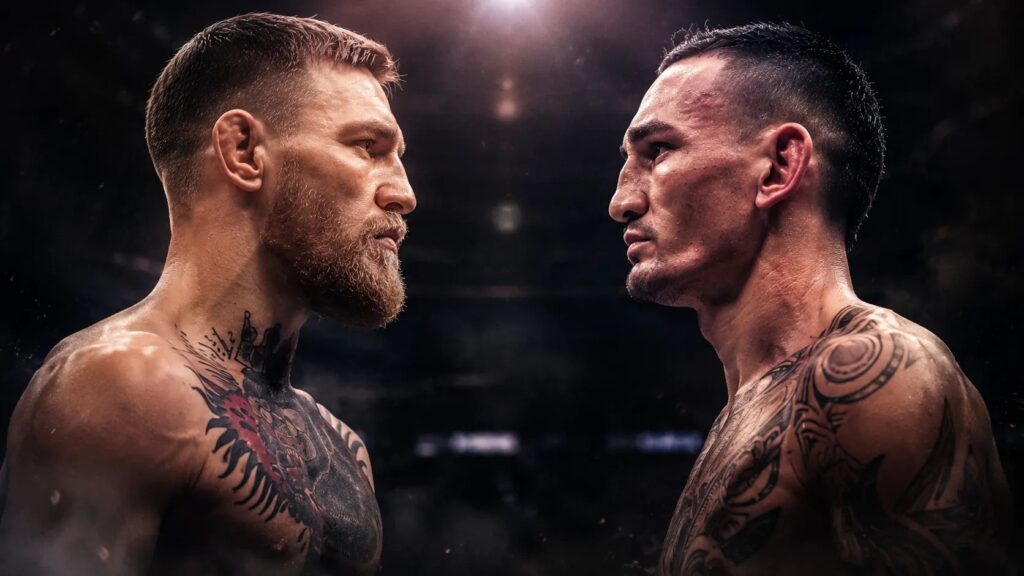
UFC 329 is shaping up to be a landmark event for Pacific excellence. Not only is Whittaker making his heavy ascent, but the card is headlined by another Polynesian icon: Max “Blessed” Holloway. This concentration of talent highlights the extraordinary impact Māori and Polynesian athletes continue to have on the global sporting landscape.
Whittaker’s debut at 205 pounds isn’t against a “layup” opponent; he is jumping straight into the deep end against the veteran Nikita Krylov. Krylov, known for his finishing ability and wins over elite competition like Alexander Gustafsson, will provide the ultimate litmus test for Whittaker’s new frame.
Why You Can’t Miss This Fight
This isn’t just about a weight class change; it’s about a legend who has found his joy again. With a less brutal weight cut, Whittaker believes he has “a few more” fights left in him, potentially adding years to a Hall of Fame-caliber career. He is faster, stronger, and more focused than he has been in years.
When the cage door closes this Saturday, we aren’t just watching a former champion hunt for a new belt. We are watching an ambassador of the Pacific show the world what it means to fight with mana. Robert Whittaker is home at light heavyweight, and the rest of the division should be on notice. UFC 329 is the arrival of a New Reaper.