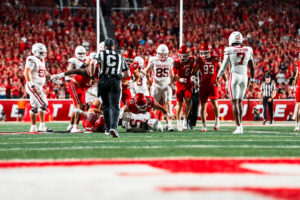

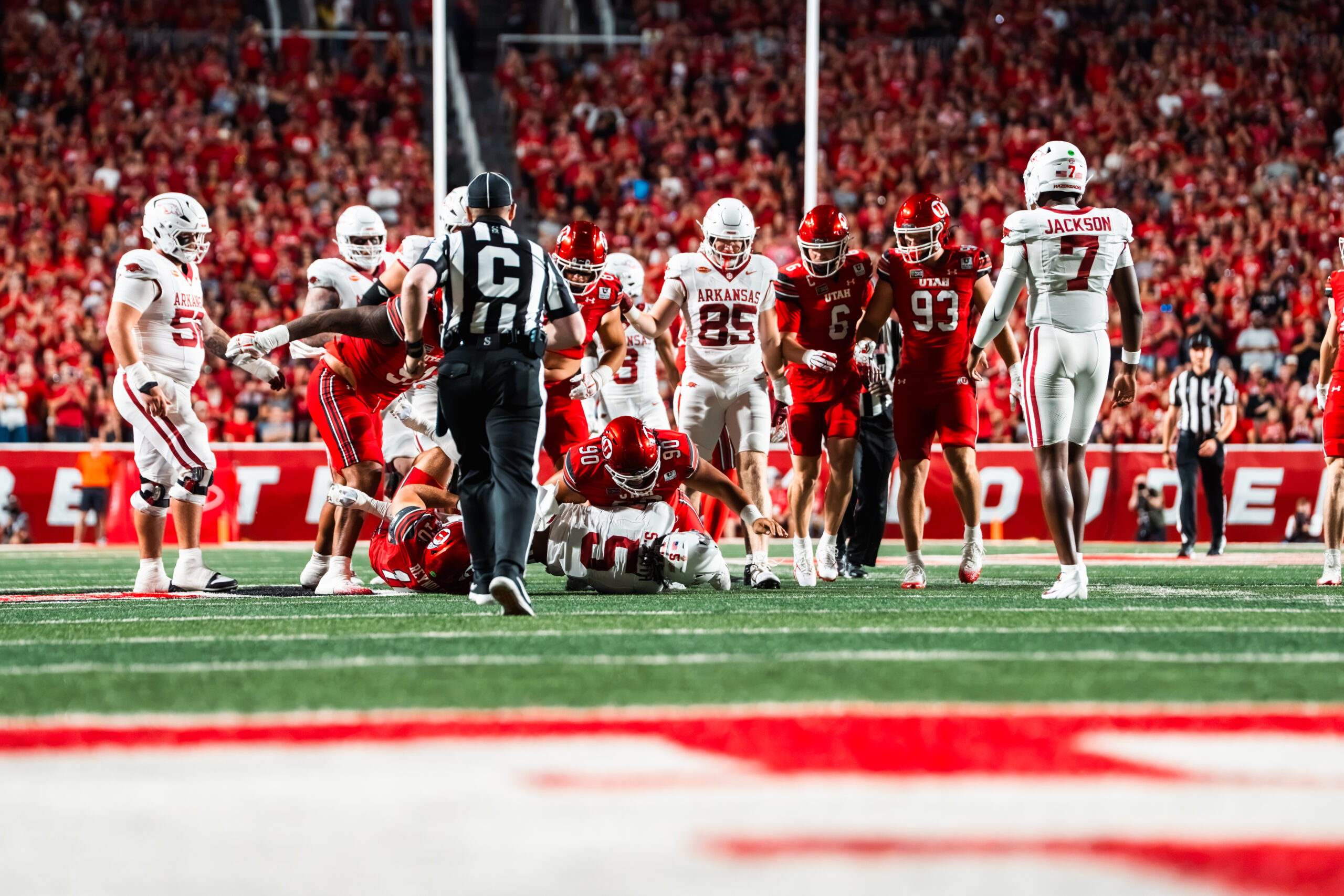
SALT LAKE CITY — For one quarter at Rice-Eccles Stadium, the marquee matchup between Utah vs. Arkansas hinted at a competitive non-conference battle. The Utes held a modest 7–3 edge after 15 minutes. Then, the avalanche hit.
Utah exploded for 22 unanswered points in the second quarter, taking a 29–3 lead into halftime and cruising to a dominant 43–10 Utah football victory over the SEC’s Arkansas Razorbacks football program. Head coach Morgan Scalley improved to 3–0 in his tenure, with his team boasting an average margin of victory of 35.7 points. Yet the lopsided scoreline leaves college football analysts debating a central question: Are the No. 20 Utes genuinely elite Big 12 contenders, or were the Razorbacks simply that dysfunctional?
Trench Control and Defensive Stranglehold
Utah’s defense set the tone by overwhelming the Razorbacks at the line of scrimmage. Arkansas managed a meager 61 rushing yards on the night. The Utes’ front seven consistently harassed starting quarterback KJ Jackson, holding him to 14-of-34 passing. Arkansas failed to enter the red zone until midway through the fourth quarter when backup QB AJ Hill threw a late touchdown pass.
Leading the charge along the defensive front was standout defensive tackle Jireh Moe. Anchoring Utah’s front line with physical dominance and refined technique, Moe delivered a monster stat line: a team-leading eight tackles, two tackles for loss, and a sack. His interior penetration neutralized the Razorbacks’ running attack and disrupted timing in the backfield.
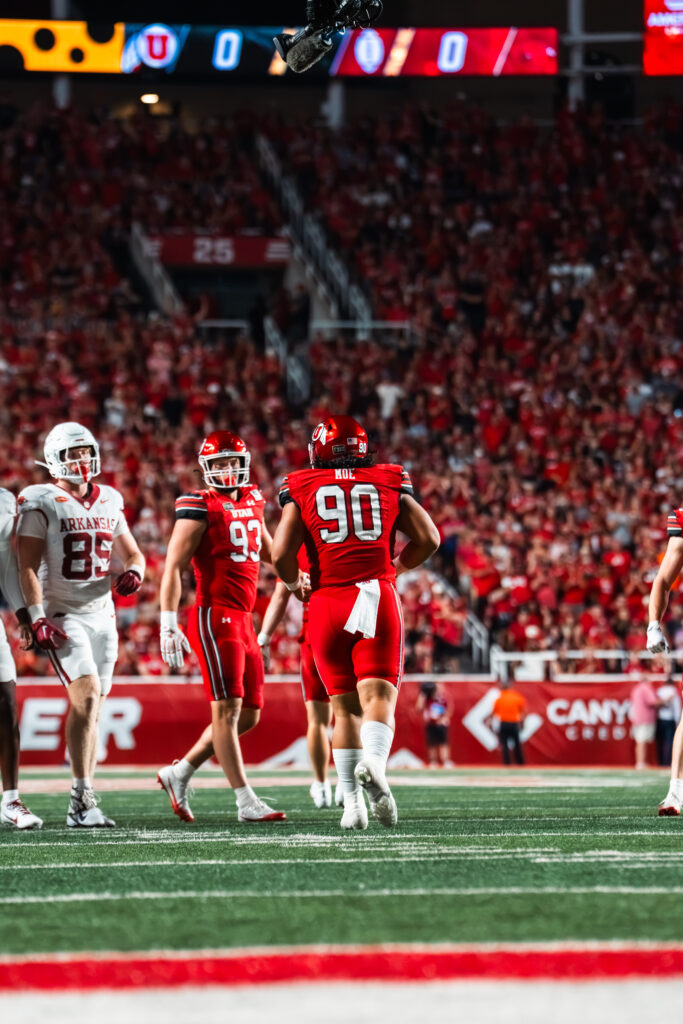
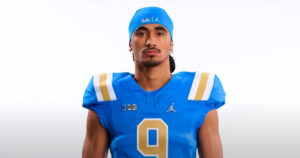
Utah’s secondary locked down receivers in man-to-man coverage, recording 13 pass breakups—the program’s highest single-game mark since 1998. That defensive execution allowed the front seven to stack the box, where Utah Polynesian players like linebacker Tayson Reid joined Moe in controlling the middle.
Offensive Creativity and Execution
Offensively, coordinator Kevin McGiven unveiled a creative, high-octane scheme. On Utah’s very first play from scrimmage, starting quarterback Devon Dampier took the snap and threw backward to backup quarterback Byrd Ficklin, who threw across the field to running back Wayshawn Parker for a 36-yard gain.
Dampier was lethal, finishing 18 of 24 for 261 yards and two passing touchdowns while adding two more scores on the ground. Parker accounted for three total touchdowns—two rushing and one receiving—while tight end Noah Bennee caught four passes for a career-high 113 yards.
Polynesian playmakers provided key sparks across the roster. Wide receiver Mana Carvalho took a surprise direct snap on a two-point conversion attempt, powering into the end zone during Utah’s second-quarter explosion. Up front, the offensive line gave Dampier ample time and cleared seams for 141 net rushing yards.
Big 12 Championship Potential: What’s Next?
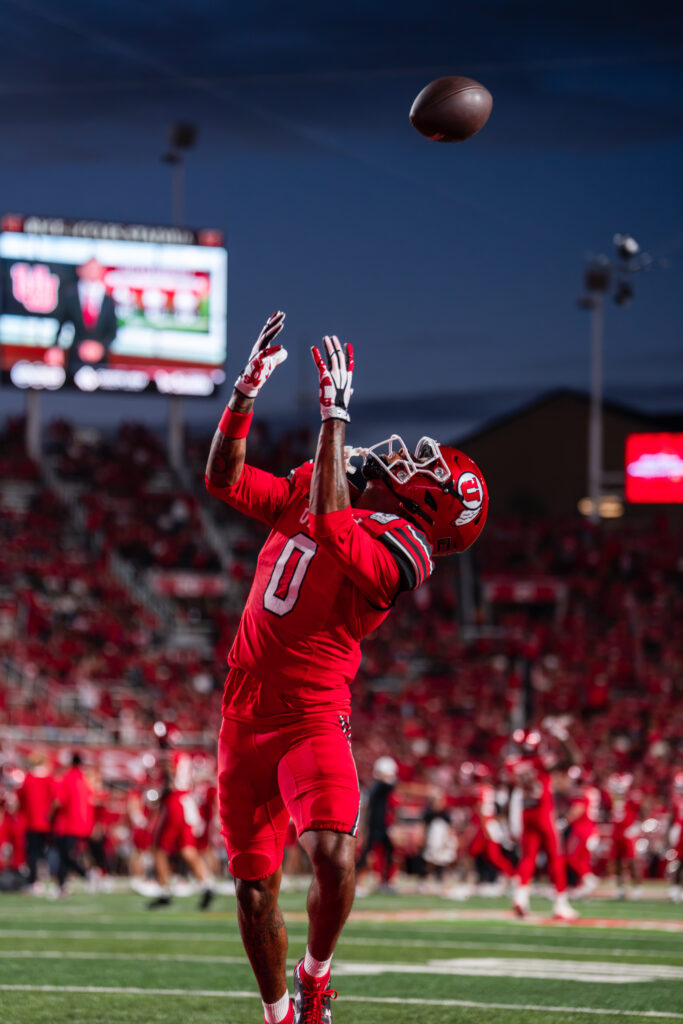
Arkansas head coach Ryan Silverfield conceded that his team was “clearly not good enough tonight in all three phases”. While Arkansas has struggled against FBS competition, Utah Utes football executed with ruthless efficiency, scoring touchdowns on four straight possessions before halftime.
To prove their staying power in Big 12 football, the Utes must maintain this standard as conference play approaches. Utah next hosts rival Utah State in their 114th all-time meeting before stepping further into the season.
Are the Utah Utes a legitimate Big 12 championship contender, or did Arkansas simply make Utah look better than they actually are?