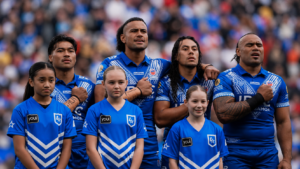

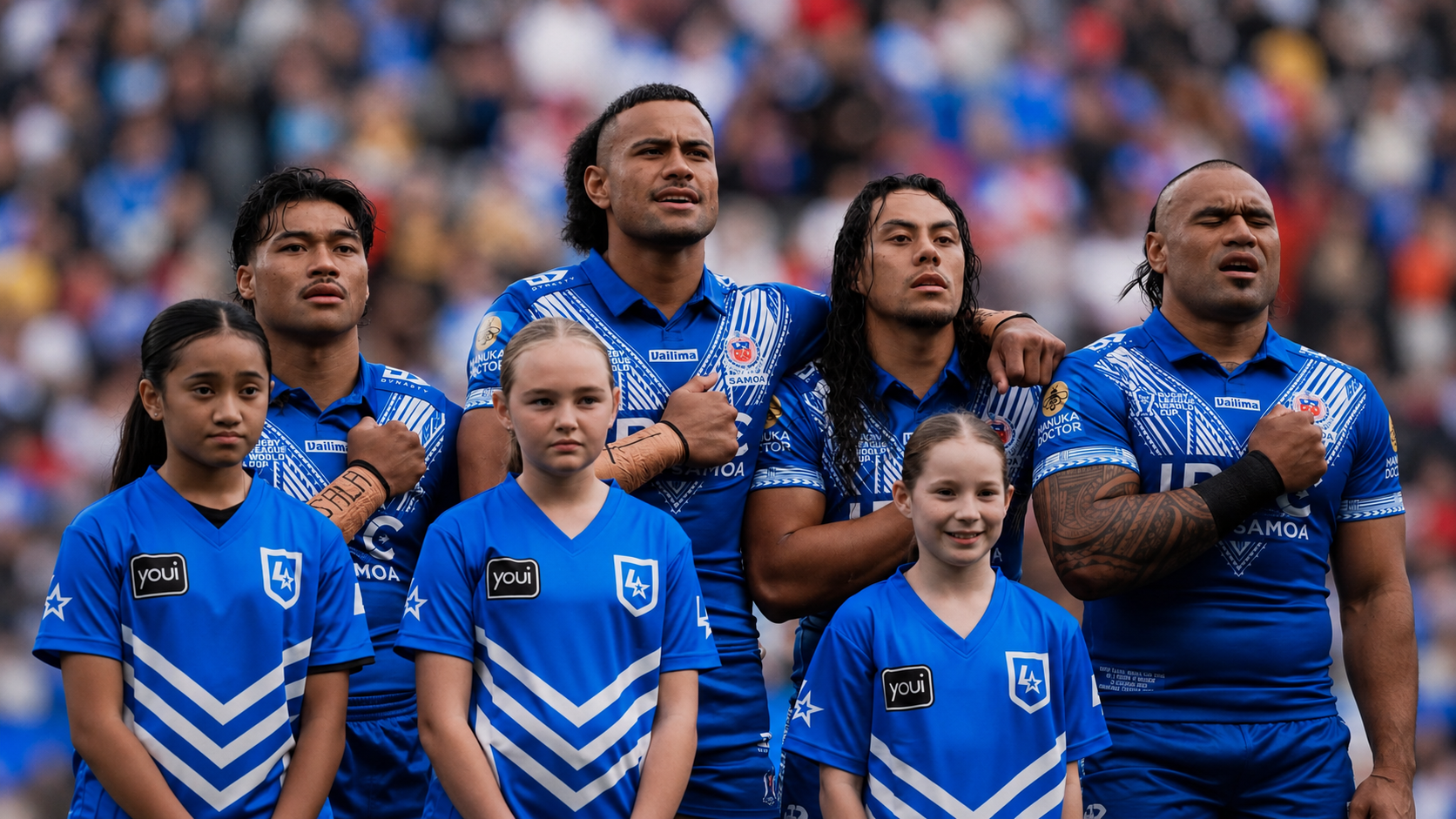
As superstar Stephen Crichton walked off the field after joining his Toa Samoa teammates to thank fans, he voiced what every rugby league follower was already feeling: “The World Cup is going to be huge”. Across an epic month of international fixtures, the focus has firmly shifted toward the 2026 Rugby League World Cup in Australia and Papua New Guinea. Yet beyond the bone-crunching tackles and highlight-reel tries, the true engine driving the tournament’s rising anticipation is happening off the field. Online banter, fan debates, memes, and deep-seated Pacific rivalries are turning every international fixture into a vibrant, global conversation.
Social media has transformed how supporters interact with the sport. Playful online banter between clubs, players, and fans humanises athletes, builds excitement, and creates a powerful sense of community and belonging. But as seen when Mate Ma’a Tonga clashed with Toa Samoa in World Cup action, digital chatter is merely the catalyst for an incredible live atmosphere. When 18,000 passionate supporters converged on Waikato Stadium in a long, flag-waving motorcade of cars from South Auckland, they transformed the streets into a sea of red and blue filled with honking horns and laughter. The spectacle thoroughly dismantled sensationalised media reports predicting conflict. As one young Tongan fan cleanly captured in the stands: “Tonga and Samoa is about entertainment, not beef. One love”. Inside the ground, fans draped in Tongan red, Samoan blue, and even Fijian flags stood together in prayer before kickoff, demonstrating how fierce sporting rivalry can coexist with profound Pasifika unity.

However, the energy of Pacific fandom rests on a crucial foundation: knowing where healthy banter ends and respect begins. Cultural challenges—such as Toa Samoa’s siva tau, Tonga’s sipi tau, or the Kiwis’ haka Te Iwi Kiwi—are sacred expressions of whakapapa. They pay homage to ancestors, land, and bloodline connections. As Associate Professor Dr. Dion Enari points out, representing heritage nations is an act of service to the collective. While fans can joke about bad refereeing calls or dropped balls, booing or belittling cultural traditions crosses the line into takahi i te mana o te tangata. As cultural creators Creative Taro (Jordaan Tuitama) and podcast host Lennie Brooky observe, pre-match challenges are moments to appreciate heritage; the friendly banter belongs strictly after those sacred protocols conclude. Responsible online behavior is just as vital, ensuring that digital connection brings people together rather than escalating into abuse.

This blend of cultural pride, electric atmosphere, and healthy rivalry elevates the upcoming Round 2 World Cup matchups into unmissable events, with each Pacific nation bringing its distinct story to the world stage:
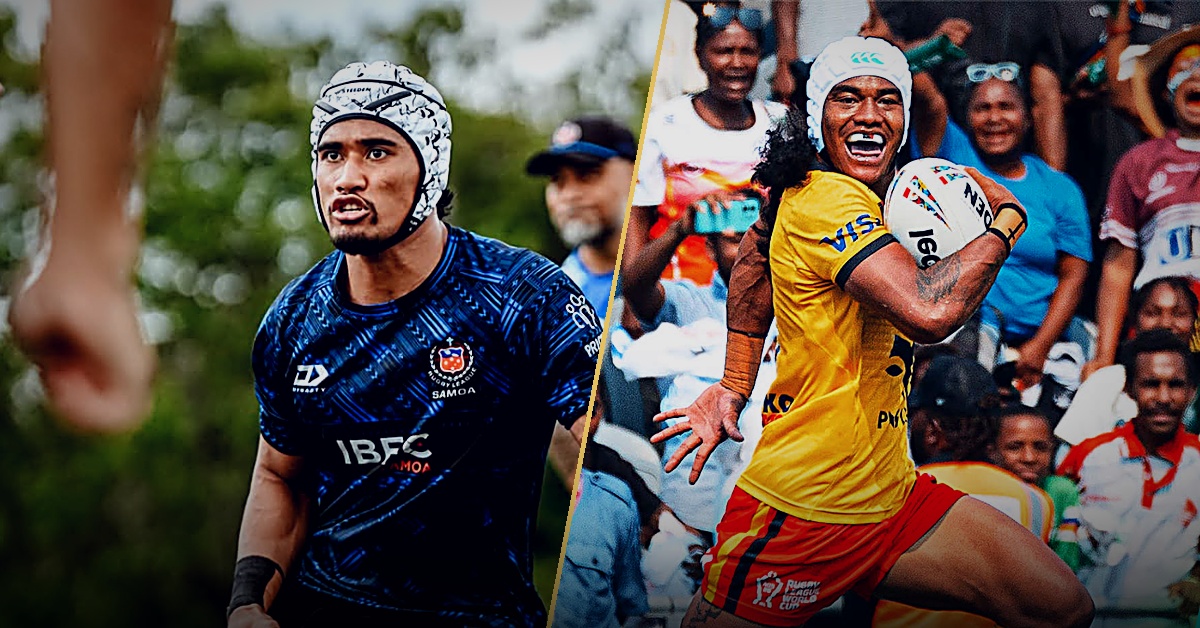
Toa Samoa vs Papua New Guinea: Samoa, who made history by reaching the 2022 World Cup final, pair NRL star power like Brian To’o with explosive flair and high ambitions. They face a Papua New Guinea Kumuls side driven by fierce national pride and relentless physical momentum, having captured three consecutive Pacific Bowls in front of roaring Port Moresby crowds.
Tonga vs Lebanon: Mate Ma’a Tonga’s powerhouse pack, strengthened by elite players choosing their blood-tie nation over Tier-1 eligibility, brings a formidable wave of red-flag support. Facing a resilient Lebanon outfit, Tonga’s squad relies on community backing and deep cultural connection as they target World Cup glory.
Cook Islands vs New Zealand: The Cook Islands bring proud island heritage and determination against a powerhouse Kiwis team that “bleeds black”. While New Zealand brings physical dominance through the middle, the Cook Islands embody the unbreakable spirit and representation of Te Moana-nui-a-Kiwa.
Fiji Bati vs Australia: The Fiji Bati—celebrated for their spiritual harmony, speed, and passionate fans who wave their flags alongside neighboring Pacific nations—take on the formidable Kangaroos. This contest showcases Fiji’s unique cultural identity and faith against the tournament standard-bearers.
With at least five nations now genuinely capable of lifting the Paul Barrière Trophy, international rugby league has reached its most competitive era in history. Yet the true victory belongs to the fans. By embracing playful banter while honoring sacred traditions, Pacific communities are showing that rugby league is more than a game—it is a shared celebration that unites nations far beyond the final whistle.