
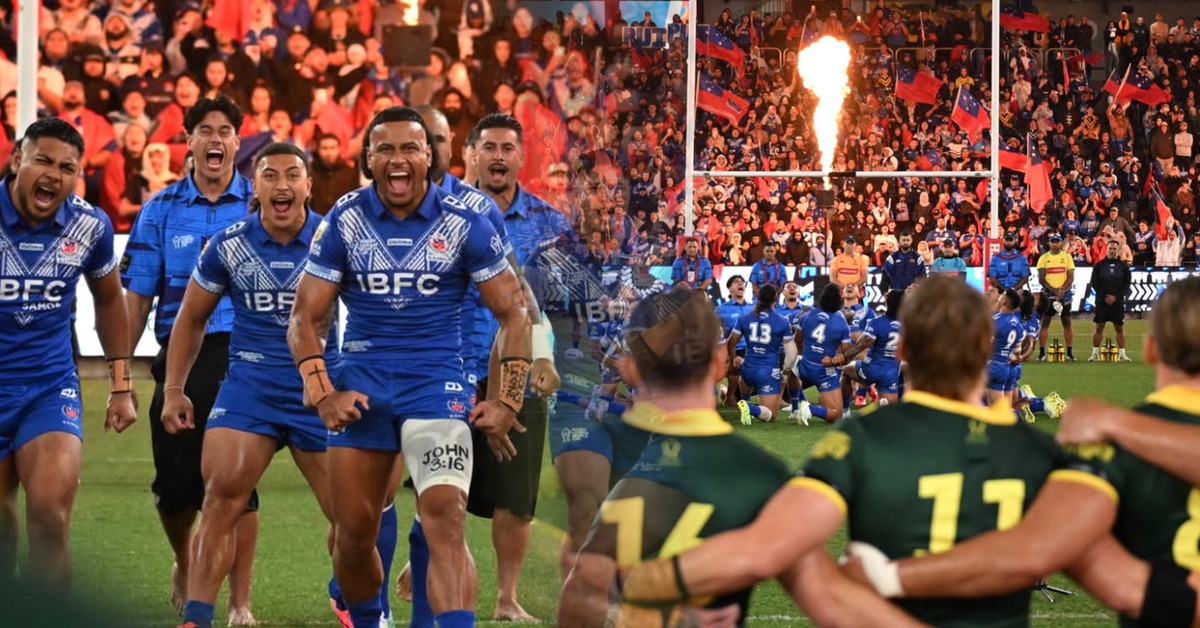
The final whistle at Allianz Stadium brought Toa Samoa’s 2026 Rugby League World Cup campaign to a close, but the significance of what this team accomplished throughout the tournament cannot be measured by one result.
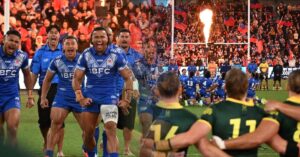
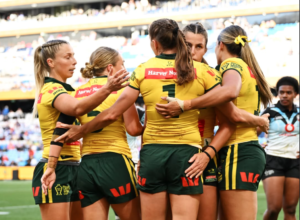
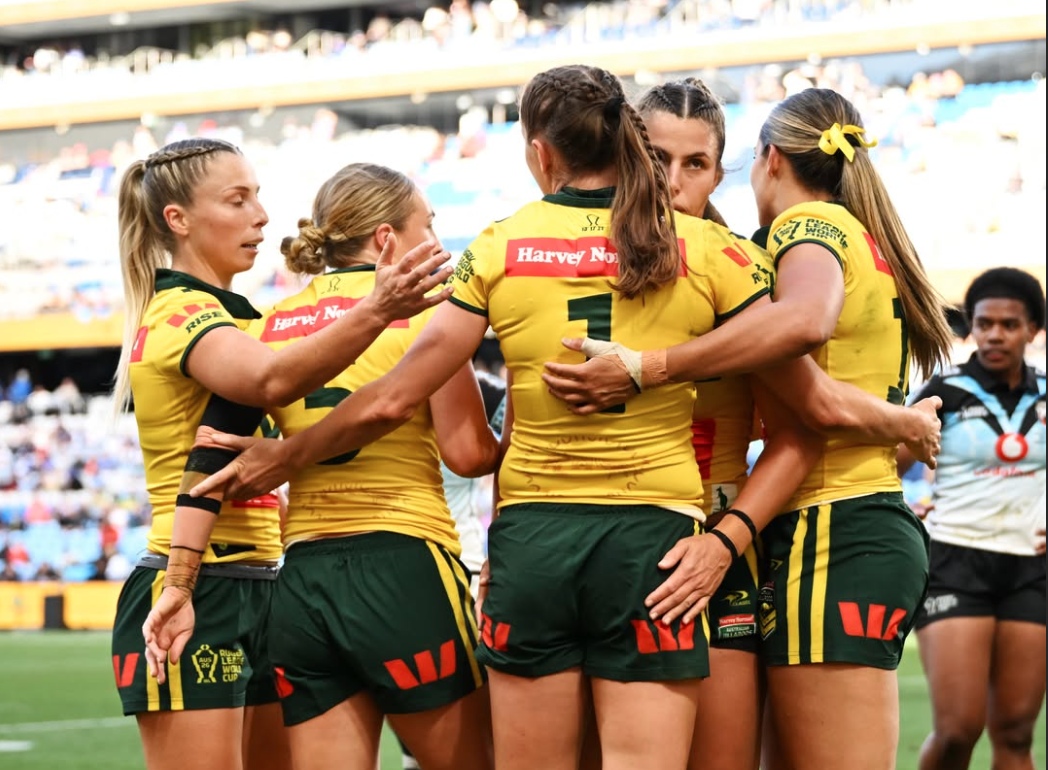
Samoa’s journey ended with a 44-12 defeat to Australia in Sunday’s semi-final in Sydney, as the defending champions delivered a commanding performance to secure their place in next week’s World Cup final against New Zealand. For Toa Samoa, the result brought an end to a campaign that had carried the hopes of a nation and captured the attention of Samoans across the world. Before a crowd of 41,529 at Allianz Stadium, the occasion carried the intensity expected of a World Cup semi-final. The atmosphere reached another level during the Siva Tau, as Samoa and Australia stood face to face before kick-off. Led by captain Junior Paulo, the traditional challenge was a powerful moment of national identity, setting the stage for one of the tournament’s most anticipated contests. Samoa entered the match with the ambition of reaching a second consecutive men’s World Cup final, but Australia quickly established control. Tom Dearden opened the scoring before Jacob Preston, Tom Trbojevic, Reece Walsh and Bradman Best added further tries to give the Kangaroos a 26-2 advantage at half-time.
Stephen Crichton had given Samoa an early opportunity to put points on the board with a penalty goal, and the captain continued to lead from the front after the break. An error from Walsh created an opportunity for Crichton to cross for Samoa’s first try, offering a brief opening for a response. Izack Tago added another try in the corner, giving the Samoan supporters something to celebrate, but Australia’s attacking execution proved difficult to contain. Walsh completed a hat-trick, while Jack Bostock added another late try as the Kangaroos secured the 44-12 result. Australia were deserved winners, capitalising on Samoa’s errors and maintaining composure across the contest. The Kangaroos demonstrated the experience and execution required at this stage of the competition, leaving Toa Samoa with too much ground to recover.
For Samoa, however, the semi-final was only the final chapter of a campaign that had given its supporters plenty to celebrate. Toa Samoa opened the tournament with a commanding 78-4 victory over France before producing another emphatic performance against Papua New Guinea, winning 64-6. Those results secured their place among the tournament’s leading contenders and demonstrated the attacking potential within the squad. Their group-stage campaign also included one of the tournament’s most closely contested matches, a 20-18 defeat to Tonga at CommBank Stadium. In a game that could have gone either way, Samoa fought back from a 14-4 deficit to take an 18-14 lead before Tonga reclaimed the advantage late in the contest.
That result set up a semi-final meeting with Australia, where Toa Samoa had the opportunity to compete for a place in the final. While that opportunity ultimately passed, reaching the final four remained a significant achievement for a side that had once again placed Samoan rugby league on the world stage. Beyond the results, there was something unmistakable about the connection between this team and the people supporting it. Across Samoa, American Samoa, Australia, New Zealand, the United States and communities throughout the diaspora, supporters made time to follow the team’s journey. For some, that meant early mornings. For others, late nights and inconvenient kick-off times. Different countries, different time zones, but a shared commitment to watching their boys represent their homeland.
That connection was visible in the stands, in the flags carried into the stadium, in the voices behind the Siva Tau and in the support that followed the team throughout the competition. The 41,529 spectators at Allianz Stadium included a passionate Samoan presence, with supporters making their voices heard long before the opening whistle. For a nation whose people are spread across the world, Toa Samoa provided another opportunity for communities to come together through sport. Every try, every defensive effort and every result became part of conversations shared across families, villages and generations.
There is also a responsibility that comes with representing Samoa at this level. These players carry their families, villages, heritage and country with them every time they take the field. That responsibility was evident throughout the tournament, from the opening Siva Tau against France to the final moments of Sunday’s semi-final. The campaign was not without its challenges. The loss to Tonga and the defeat to Australia showed where the side still has room to grow, particularly against the competition’s strongest opponents. But the tournament also provided valuable experience, tested the squad under pressure and offered another opportunity for Samoan rugby league to measure itself against the world’s best. For the players, the coaching staff and everyone involved in the programme, there will be lessons to take from this campaign. There will also be moments worth remembering. Toa Samoa did not leave Sydney with the trophy, and there is no need to pretend otherwise. Australia earned its place in the final. But a semi-final finish does not erase the performances that brought Samoa to this point or the pride that followed the team throughout the competition.
For the supporters who stayed up to watch, the families who followed every result and the young Samoans who saw their country represented on one of rugby league’s biggest stages, this team gave them something to stand behind. The 2026 World Cup journey ends here for Toa Samoa. The work ahead will be about building on what this group has established, learning from the moments that fell short and continuing to raise the standard of Samoan rugby league. The scoreboard will record the result in Sydney. The campaign will be remembered for everything that came before it, and for the people who stood behind the team until the very end.
Fa’afetai, Toa Samoa.