
Utah’s Undefeated Run Carries a Polynesian Legacy Decades in the Making
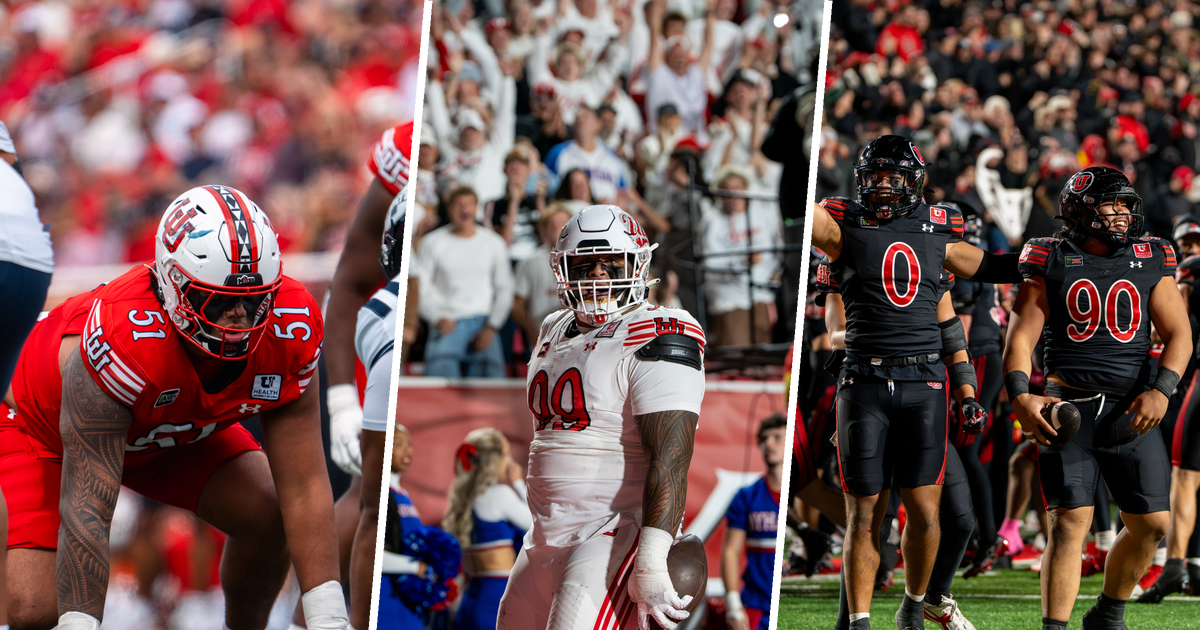
With an 11-0 record and the nation’s ONLY remaining undefeated FBS team, the Utah Utes are making a statement on the field. Behind the historic start is a Polynesian presence built through generations of players, coaches and a recruiting philosophy that has helped shape the program for more than three decades.
There is a certain significance to reaching the top of college football. There is another significance in understanding the people, history and decisions that helped build the foundation beneath it. For the University of Utah, those two stories are meeting in the middle of an extraordinary season. The Utah Utes have become the last team standing undefeated in the Football Bowl Subdivision (FBS), entering the final stretch of the 2026 regular season with an 11-0 record. Their latest statement came Saturday, November 21, when the No. 2-ranked Utes defeated TCU 38-17 in Fort Worth, extending their winning streak to 17 consecutive games and securing a place in the Big 12 Championship Game.
With UCLA suffering its first loss of the season against Michigan earlier that day, Utah was left as the nation’s lone undefeated FBS program. It is a remarkable position for any football program to occupy. But for those familiar with Utah’s history, the significance of this season extends beyond its record. Across the roster and coaching staff is a substantial Polynesian presence, representing a legacy that has been developing in Salt Lake City for decades. From players with roots in American Samoa and Hawaiʻi to those raised in mainland communities across the United States and beyond, their presence reflects the reach of a football program that has long made Polynesian athletes an important part of its identity.
This is not a recent development, nor is it a coincidence. In 1990, former Utah head coach Ron McBride arrived with a vision for building the program. A major part of that vision involved recruiting Polynesian athletes. He recognized the talent and opportunity within Pacific Island communities, establishing relationships and opening pathways that would help connect generations of players to the University of Utah. What began as a recruiting priority developed into something much larger. That foundation is something Utah’s current head coach, Scalley, continues to recognize. Speaking during a press conference earlier this season, Scalley credited McBride for making the effort to build relationships within Polynesian communities, particularly through time spent in Hawaiʻi and across the Pacific.
“Ron McBride really made an emphasis on spending time in Hawaiʻi, in the islands, getting to know that culture. It is a beautiful culture that is all about family and tradition,” Scalley said. “It will always be a priority here, because they are family here. I credit Ron McBride for really deciding that’s what he wanted to do. They’re an amazing people and if you really get to understand that culture, there’s a lot we can learn about how they love and give.”
Utah’s connection to Polynesian football became a recognizable part of its identity, with the program continuing to attract athletes whose heritage and family connections stretch across the Pacific. The pipeline McBride helped establish became a foundation that subsequent coaching staffs would continue to build upon. The numbers offer a glimpse into that history. Utah’s 2007 football media guide featured a dedicated section titled The Polynesian Pipeline, documenting 22 Polynesian players on the roster. By 2015, Utah reported 33 players of Polynesian descent. The numbers reflected a program where Polynesian representation had become a sustained presence rather than an occasional recruiting success. Recognition at the national level followed.
In 2024, 10 Utah players earned places on the Polynesian College Football Player of the Year Watch List, an annual honor recognizing the outstanding college football player of Polynesian ancestry who demonstrates exceptional ability and integrity on and off the field. The following year, Utah again led the nation, placing eight players on the 2025 watch list. Former Utah offensive lineman Spencer Fano would go on to share the 2025 Polynesian College Football Player of the Year honor, further extending the program’s connection to the award. The tradition has continued into 2026, with defensive tackle Karson Kaufusi representing Utah on this year’s watch list.
More than three decades after McBride made Polynesian recruiting a priority, the presence remains visible across the program. And this season, that presence is part of a team making history. Utah’s 2026 roster features players across multiple position groups, from the offensive and defensive lines to the secondary, linebackers and skill positions. Their hometowns tell another part of the story. Some come from communities throughout Utah, while others have traveled from Hawaiʻi, American Samoa, California, Nevada, Texas and Australia to become part of the Utes program. That geographical reach matters. Polynesian football is not confined to the islands, and neither is the community that supports it. Generations of Pacific families have established roots throughout the United States, creating communities where culture, family and football continue to intersect. For many young athletes, college football represents an opportunity to compete at the highest level of the sport while carrying the pride of their families and communities with them. At Utah, that presence also extends beyond the playing field.
The coaching staff includes Polynesian coaches and football personnel working across different areas of the program, including assistant head coach and running backs coach Mark Atuaia, defensive tackles coach Luther Elliss, defensive ends coach Inoke Breckterfield, running backs assistant Kammy Delp, tight ends assistant Marvin Phillip, defensive tackles assistant Stanley Havili and defensive quality control coach AJ Pataialii. Their roles represent another dimension of the pipeline. Polynesian representation is not limited to the athletes recruited to wear the uniform. It is also reflected in the people involved in developing players, preparing the team and contributing to the program’s continued direction. That distinction is important when considering the longevity of Utah’s approach. A recruiting pipeline can bring athletes into a program, but sustaining a legacy requires people who continue to invest in it.
The Utes’ current season is a reflection of a team effort, built through coaching, preparation, recruitment and performances from players across the roster. Their undefeated record belongs to the entire program. But the Polynesian connection is a story worth recognizing in its own right. For Island City Media and the wider Pacific sports community, Utah’s position offers an opportunity to look beyond the standings and acknowledge a program whose relationship with Polynesian football has endured through different eras of college athletics. The names on the roster represent more than a collection of players. They represent communities, families and a history of athletes who have helped make Utah a destination for Polynesian football talent. The coaches represent another generation of that involvement, continuing to contribute to the game in positions of leadership and development.
As the Utes approach their final regular-season game against West Virginia on November 27, followed by the Big 12 Championship Game on December 4, the opportunity in front of them is significant. A perfect regular season remains within reach, and the program is positioning itself for a run at the College Football Playoff. Whatever the remainder of the season brings, one part of Utah’s story is already well established. The Polynesian pipeline did not begin with this undefeated team. It was built through decisions made decades ago, strengthened by the players who followed and sustained by those who continue to invest in the program.
Now, with Utah standing alone as the nation’s only undefeated FBS team, that legacy is once again part of a much bigger college football conversation. Thirty-six years after Ron McBride made Polynesian recruiting a priority, the pipeline is still producing. And at 11-0, Utah is giving the country another reason to pay attention.
Utah’s Polynesian presence: 2026 player roster
| Player | Position | Hometown |
| Jireh Moe | Defensive Tackle (DT) | Westminster, California |
| Mateaki Helu | Running Back (RB) | Tooele, Utah |
| Cyrus Polu | Linebacker (LB) | St. George, Utah |
| Karson Kaufusi | Defensive Tackle (DT) | Holladay, Utah |
| Mana Carvalho | Wide Receiver (WR) | Laie, Hawaiʻi |
| Grady Mareko | Linebacker (LB) | Leone, American Samoa |
| Pupu Sepulona | Defensive Tackle (DT) | Kalihi, Hawaiʻi |
| Wayshawn Parker | Running Back (RB) | Richmond, California |
| Milz Asiata | Offensive Line (OL) | Melbourne, Australia |
| Isaiah Kema | Offensive Line (OL) | Lubbock, Texas |
| Solatoa Moeaʻi | Offensive Line (OL) | Laie, Hawaiʻi |
| Elijah Elliss | Linebacker (LB) | Farmington, Utah |
| Semi Taulanga | Tight End (TE) | Santa Ana, California |
| PJ Takitaki | Defensive End (DE) | Lehi, Utah |
| Kanaʻi Lopes | Tight End (TE) | Las Vegas, Nevada |
| Ashton Olevao | Safety (S) | Salt Lake City, Utah |
| Sione Motuapuaka | Tight End (TE) | Las Vegas, Nevada |
| Mauka Bernard | Defensive End (DE) | Salt Lake City, Utah |
| Brock Fonoimoana | Linebacker (LB) | Laie, Hawaiʻi |
| Tayson Reid | Linebacker (LB) | Spanish Fork, Utah |
| Stanley Raass | Defensive Tackle (DT) | Laie, Hawaiʻi |
| Fa Siale | Defensive End (DE) | Seattle, Washington |
| Paul Fitzgerald | Defensive End (DE) | Idaho Falls, Idaho |
| Mataalii Benjamin | Offensive Line (OL) | Lehi, Utah |
| Mike Tauteoli | Defensive Tackle (DT) | Midvale, Utah |
Polynesian representation on the Utah coaching staff
| Coach | Official role |
| Mark Atuaia | Assistant Head Coach / Running Backs |
| Luther Elliss | Defensive Tackles |
| Inoke Breckterfield | Defensive Ends |
| Kammy Delp | Running Backs Assistant |
| Marvin Phillip | Tight Ends Assistant |
| Stanley Havili | Defensive Tackles Assistant |
| AJ Pataialii | Defensive Quality Control |
The Polynesian Pipeline
A legacy at Utah
HISTORICAL TIMELINE
1990: Head coach Ron McBride makes recruiting Polynesian athletes a major part of his strategy to build Utah’s football program.
2007: Utah’s football media guide documents 22 Polynesian players on the roster.
2015: Utah reports 33 players of Polynesian descent.
2024: Ten Utah players are named to the Polynesian College Football Player of the Year Watch List.
2025: Utah leads the nation with eight players named to the same award’s watchlist.
2026: Utah stands as the nation’s only undefeated FBS team at 11-0, while its football program continues to feature a significant Polynesian presence, with 25+ players and coaches of Polynesian descent.