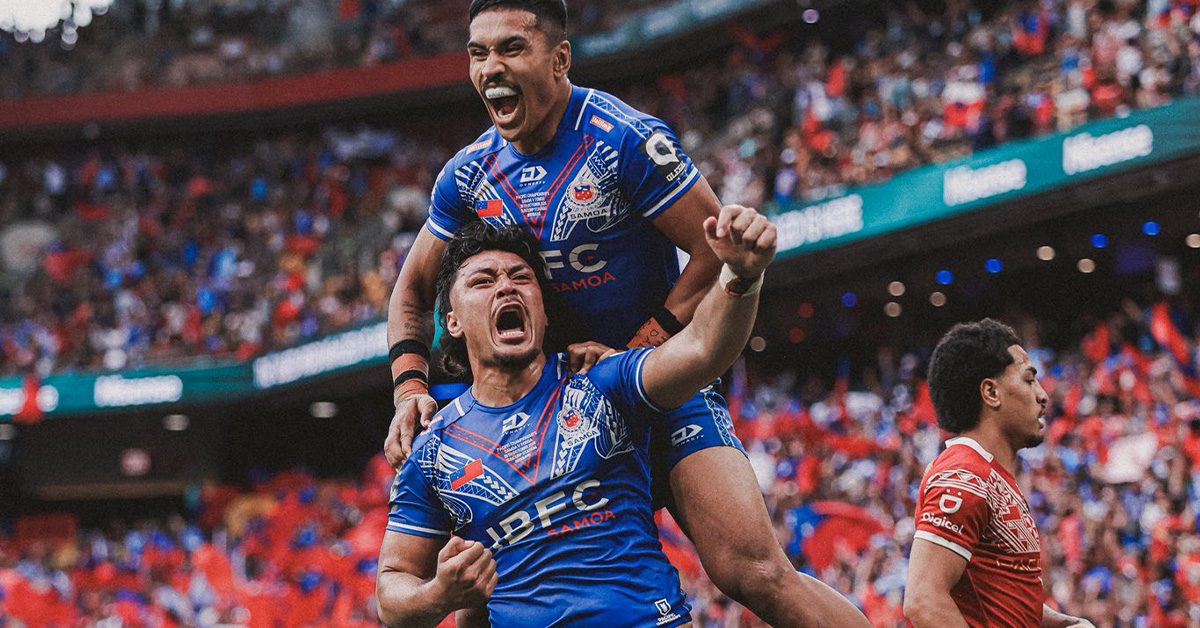

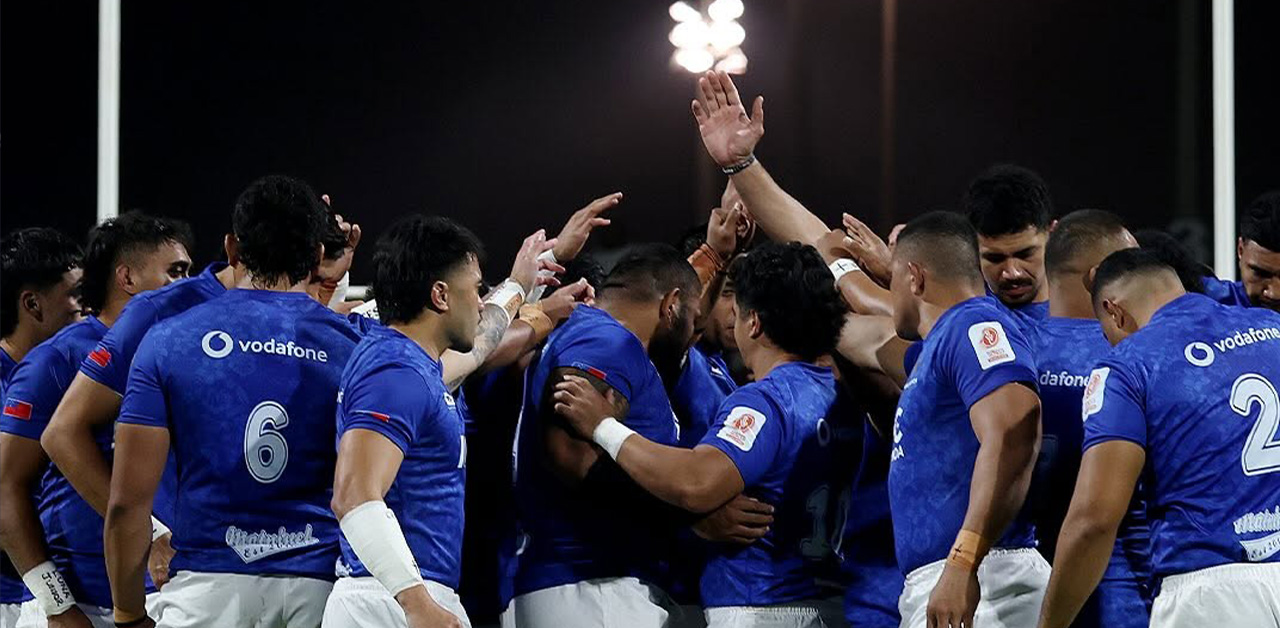
Rugby in Samoa has never simply been a game. It is heritage. It is identity. It is pride woven into
the rhythm of village life and carried across oceans by generations of Samoans who have taken
their talent to the world stage. Yet today, despite its immense global influence and extraordinary
talent pipeline, Samoan rugby stands at one of the most critical turning points in its history.
The issue is no longer just about winning matches. It is about governance, trust, accountability,
and the future of a national institution that means everything to its people. Across Samoa and
throughout the worldwide diaspora, the message is growing louder. The current system must
change, and a new era of rugby leadership must emerge if the nation is to reach its full
potential.
Political Pressure Signals a National Priority
The scrutiny surrounding Samoan rugby governance has been building for years, but now it has
reached the highest levels of national leadership. Samoa’s Prime Minister, Laʻaulialemalietoa
Leuatea Schmidt, has been associated with mounting calls for reform within Lakapi Samoa, the
body currently responsible for rugby union administration in the country.
Concerns have centered on transparency, accountability, and the handling of development
funding provided by World Rugby and other unions. These funds are meant to build
infrastructure, strengthen grassroots programs, and support high-performance pathways. Yet
many within Samoa’s rugby community believe the outcomes have not reflected the level of
investment.
When national leadership begins demanding change, it signals something deeper than
administrative disagreement. It shows that rugby governance is now a matter of public trust and
national pride.
The 2011 World Cup Fund Controversy That Still Shapes Public Trust
For many Samoans, the erosion of trust did not begin recently. It traces back to one of the most
painful controversies in the nation’s sporting history, the handling of public donations intended
for the national team during the 2011 Rugby World Cup.
At the time, supporters across Samoa and the global diaspora rallied behind Manu Samoa.
Communities fundraised. Families donated. Ordinary people gave what they could so their
national side could compete with dignity and proper support on rugby’s biggest stage.
New Zealand journalist John Campbell conducted a widely discussed investigation into how
those public donations, reportedly amounting to hundreds of thousands of dollars, were
handled. His reporting examined where the money was placed, how it was administered, and
whether it reached the players as intended.
At the center of scrutiny during that period was then chairman Tuilaepa Sailele Malielegaoi, who
oversaw the union’s leadership when the funds were collected and distributed. Official
explanations maintained that the money supported player preparation and operational costs
connected to the World Cup campaign.
However, those claims were strongly contested by members of the playing group. Former
international Eliota Fuimaono-Sapolu publicly challenged the narrative, stating that players did
not receive the level of financial support they had been told the donations would provide. His
statements drew global attention and intensified scrutiny of how the funds had been managed.
The controversy ignited debate not only about accounting but about accountability and whether
the voices of players were being heard within the structures meant to represent them.
More than a decade later, the issue still resonates. For many supporters, it symbolized a deeper
problem, a disconnect between leadership and the people whose passion and sacrifice sustain
the game.
A Brotherhood of Former Players Demanding Structural Change
If political pressure has intensified the call for reform, former players have given it emotional
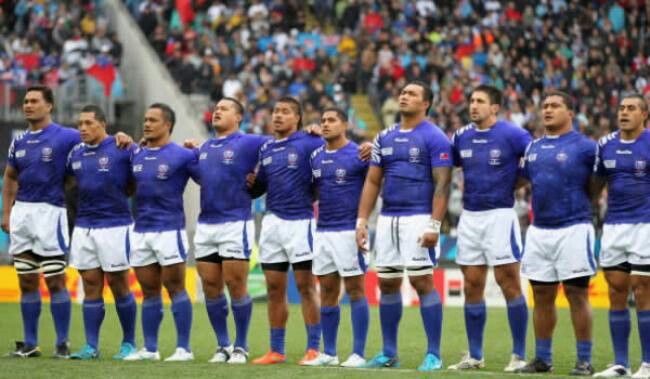
force. Men who wore the Manu Samoa jersey, who stood in the Siva Tau and carried their
nation’s pride into battle against the world’s elite, are increasingly united in their belief that
Samoan rugby must be rebuilt from the ground up. Their motivation is not personal recognition.
It is responsibility.
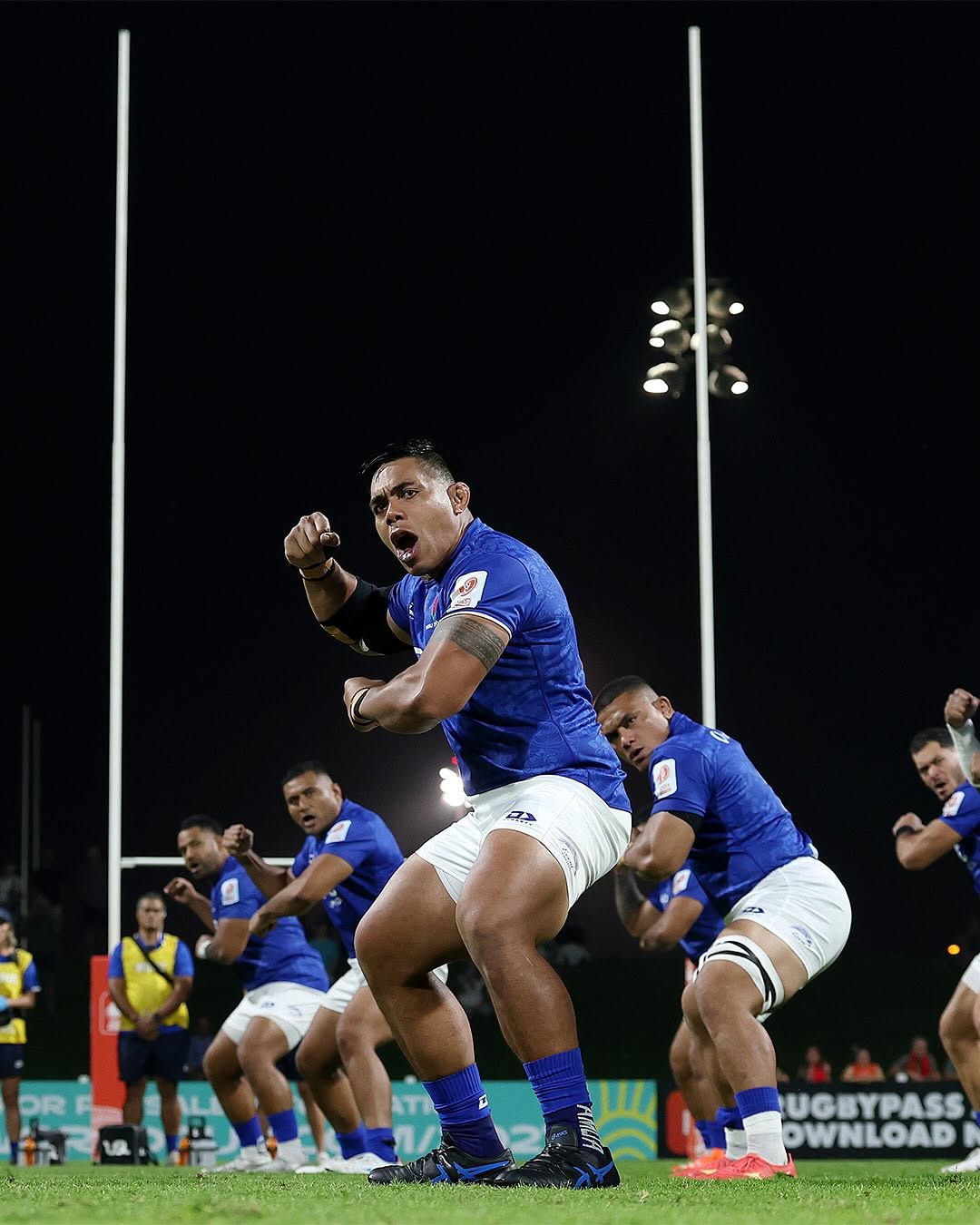
They have seen professional systems overseas. They have experienced environments where
funding is transparent, development pathways are structured, and long-term planning drives
success. They know what it takes to compete consistently with Tier One nations, and they know
Samoa possesses the raw ingredients to do exactly that.
What they are calling for is not cosmetic reform. They want a new structure rooted in
transparency, professionalism, and accountability, capable of unlocking Samoa’s full global
rugby strength.
The Greatest Untapped Talent Network in World Rugby
Few nations possess a rugby diaspora like Samoa’s. Across New Zealand, Australia, Europe,
Japan, and beyond, players of Samoan heritage compete in elite professional leagues. Many
developed in world-class academies, trained in high-performance systems, and built careers at
the very top of the sport. Yet administrative barriers, inconsistent engagement, and unclear
long-term planning have too often limited their sustained connection to the national program.
A reformed governing structure could unite this global network not occasionally but strategically.
Samoa’s greatest competitive advantage is not geography or population size. It is people. Elite
athletes, experienced coaches, performance specialists, and administrators of Samoan heritage
exist across the rugby world. With credible leadership and transparent governance, those
resources could be coordinated into one cohesive national program.
If that happens, Samoa will no longer be seen merely as a dangerous underdog. It will be
recognized as a legitimate contender.
The Coaching Leader Who Could Ignite a New Era
Transformation requires vision on the field as much as off it. Many within rugby circles believe
Pat Lam could be the catalyst for a rebuilt national program. Lam represents a rare blend of
global coaching credibility and deep cultural connection. He understands elite performance
systems, but he also understands what representing Samoa truly means. That combination
could unify players across continents.
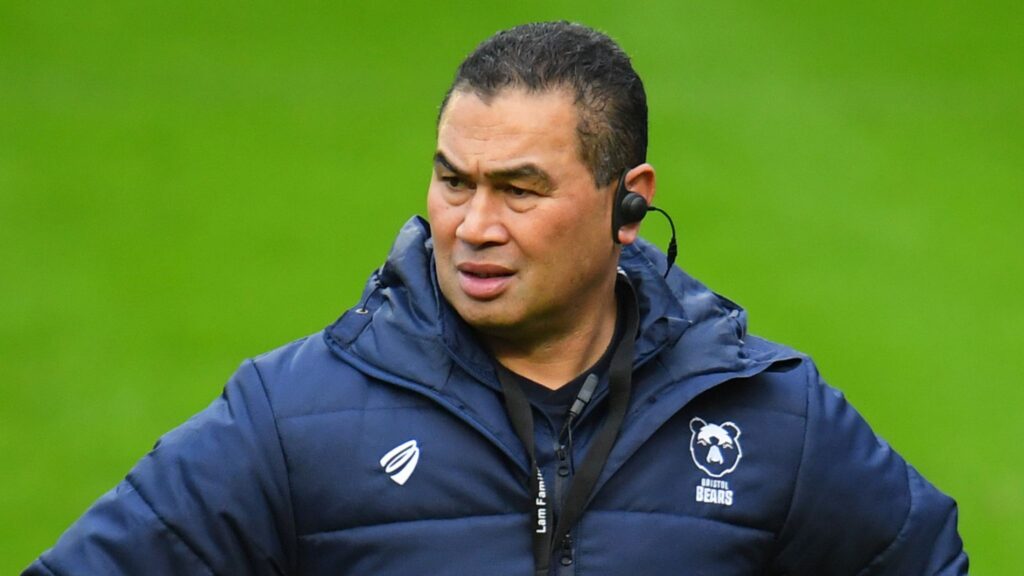
His leadership could draw heritage players back into the national fold. Athletes who once
hesitated could see renewed professionalism and stability and respond by committing
themselves to representing their heritage. The impact would extend far beyond international
results. Domestic rugby standards would rise. Coaching pathways would strengthen. Young
players would see clear routes from village fields to global professional careers. When Samoan
players succeed abroad, the benefits flow directly back to families and communities at home.
Rugby is not just pride. It’s an opportunity.
From Survival to Global Contention
For too long, the narrative around Samoan rugby has centered on struggle, financial struggle,
administrative struggle, competitive struggle. But Samoa is not a nation destined merely to
survive in international rugby. It is a nation built to compete. Its players have shaped the
physical and cultural identity of the modern game. Its influence stretches far beyond its
population. Its potential remains one of the sport’s greatest unrealized forces.
With political momentum building, former players united, global talent ready to reconnect, and
credible leadership available, Samoa stands on the edge of transformation.
A Defining Moment in Samoan Sporting History
History rarely announces its turning points. They reveal themselves when pressure, unity, and
possibility converge. Samoan rugby is standing in that moment right now.
Public trust must be rebuilt. Governance must be reimagined. Talent must be unified.
Leadership must be visionary. If those things happen, Samoa will not simply restore its rugby
legacy. It will redefine it. And when that day comes, the rugby world will no longer ask whether
Samoa can challenge Tier One nations. It will ask how soon they will start beating them.