
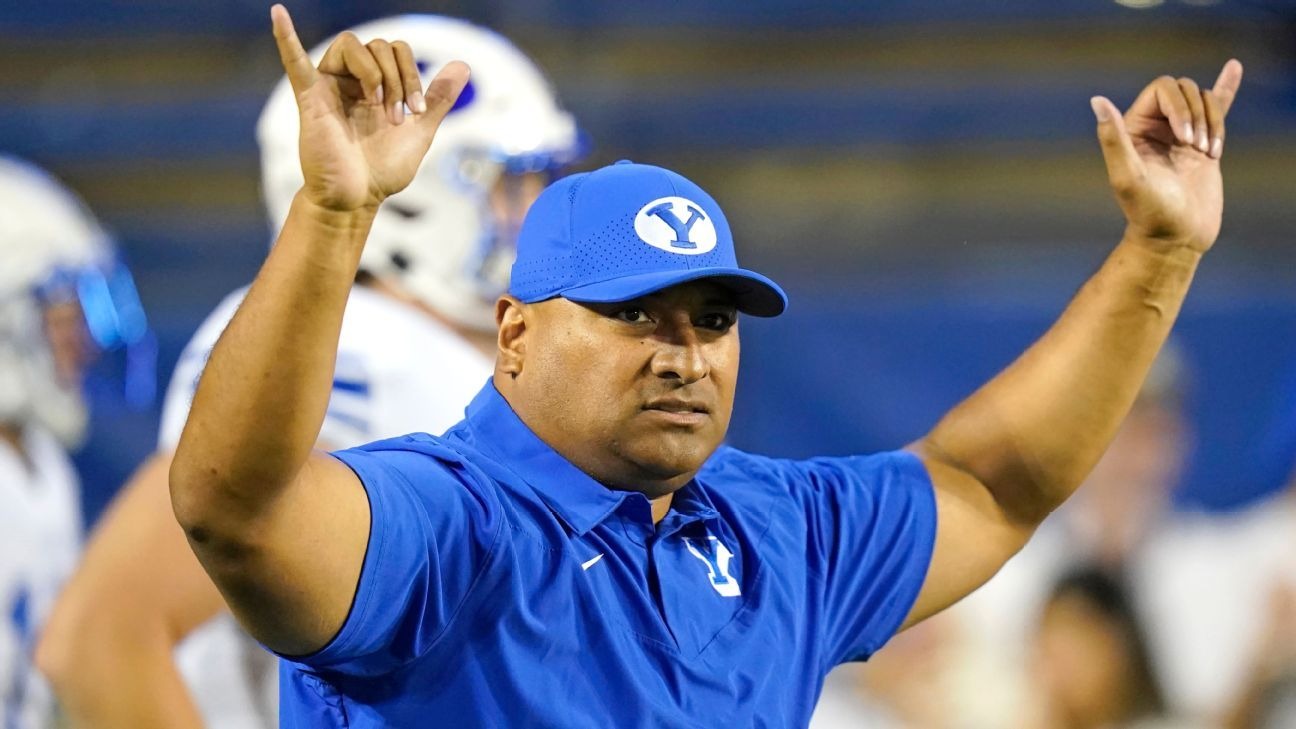
PROVO, Utah — The BYU Cougars open their season against Utah Tech in just nine days. Yet, the university has just delivered a tectonic shift. It has sent shockwaves through college athletics. Head coach Kalani Sitake will no longer report to athletic director Brian Santiago. Sitake is moving under the direct supervision of Keith Vorkink. Vorkink is BYU’s advancement vice president. Santiago retains his AD title. However, his oversight is restricted to the school’s other 20 sports programs.
Preseason Friction Over Football Resources
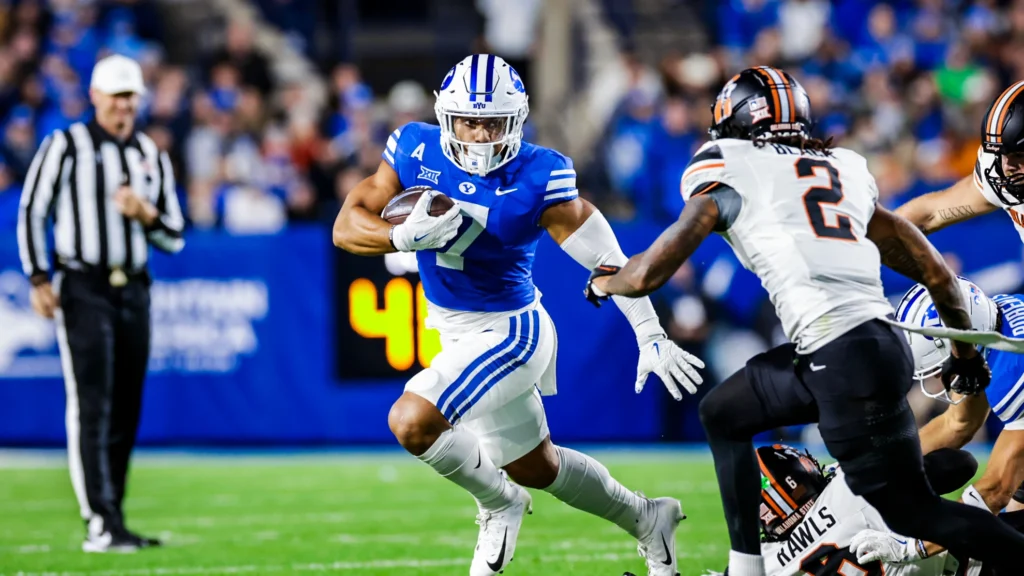
On its face, the move looks like crisis management. This summer, rumors of friction between Sitake and Santiago over football resources reached a boiling point. Sitake has compiled an impressive 84-45 record in 11 seasons. Yet, he had complained publicly about funding. He noted BYU football was asked to “do the most with the least.” The Cougars went 23-4 over the past two years. They finished No. 11 and No. 13 in the final AP polls. Despite this success, Sitake was frustrated. Last winter, he nearly bolted for Penn State. A last-minute push by boosters and administrators kept him in Provo. This secured a fourth contract extension in four years.
A Pragmatic Response to the Modern CFB Landscape
NIL, the transfer portal, and revenue sharing are transforming college athletics. In this climate, BYU’s restructuring is more than a quick fix for personal friction. It is a pragmatic, forward-thinking solution. The move helps keep Sitake in Provo long-term. It also protects Santiago’s position as athletic director. Crucially, football gains a direct pipeline to university resources. These funds are vital to compete on a national stage.
Modern athletic directors face highly complex demands. Managing 21 sports is a massive administrative challenge. Santiago succeeded Tom Holmoe in May 2025. He has overseen highly successful basketball and track programs. Under this split structure, he is freed from football’s daily pressures. He can focus on maintaining BYU’s excellence in other programs. Meanwhile, football gets the executive support it needs.
Bypassing Athletic Department Bureaucracy
Under the new plan, Sitake reports directly to Keith Vorkink. Vorkink also supervises Santiago. This setup bypasses traditional athletic department bureaucracy. It gives football a direct line to top university leaders. Vorkink cited the dynamic athletics landscape as the driver. The school wants to provide more administrative support, not less.
Emulating the NFL Executive Model
BYU is not alone in seeking professional-style solutions. Other schools are restructuring like professional franchises. For example, Stanford hired Andrew Luck as football general manager. As football’s “CEO,” Luck does not report to the athletic director. Instead, he reports directly to President Jonathan Levin. This illustrates how schools elevate football administration. Similarly, Cal hired Ron Rivera to oversee football. Rivera reports directly to the Chancellor.
BYU’s Unique Direct-Reporting Twist
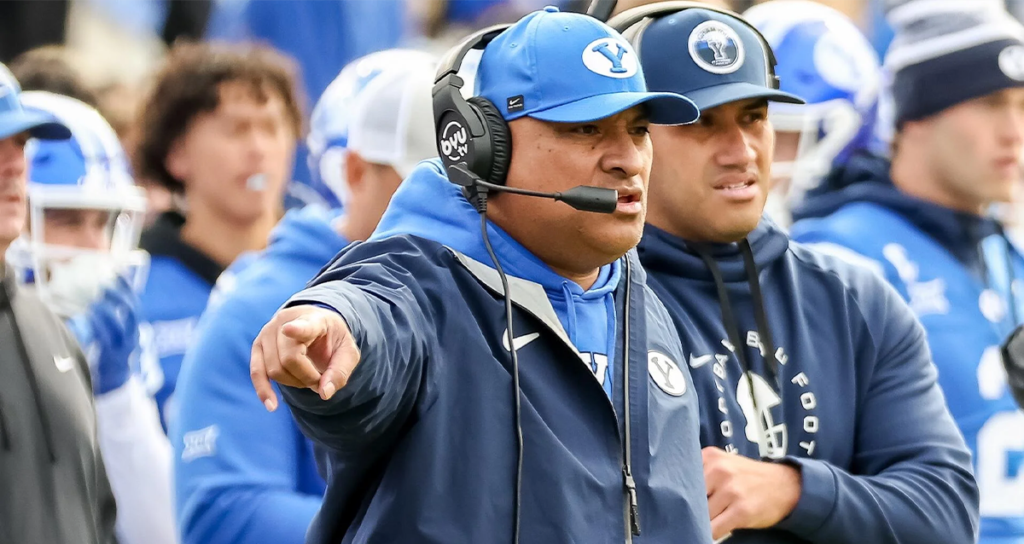
BYU’s approach has a unique twist. Sitake remains the head coach on the field but reports directly to the vice president. In contrast, Stanford and Cal hire separate executives for off-field duties. BYU may build a similar support staff using Marc Hill. The newly hired deputy AD spent years managing SEC football at Kentucky. Hill can handle day-to-day administrative burdens. This allows Sitake to focus entirely on winning games.
The Road Ahead: Judgment by Results
Separating football from the wider athletic department removes a major distraction. It clears the table just over a week before kickoff. In the end, this restructuring will be judged solely by results. Success depends on whether Sitake receives the resources he needs. It also depends on whether Santiago can elevate BYU’s other 20 programs. Finally, the Cougars must emerge as consistent national contenders. This bold experiment could become a blueprint for modern college football. The old way of doing business is officially over.