
Anytime the Rugby League World Cup lands in Australia, the expectation is pretty simple: the Kangaroos are the standard, and everyone else is chasing them. They’ve earned that reputation through decades of dominance, depth, and big-game experience. But heading into this tournament, it feels different. Not hopeful-different. Legit-different.
There are four nations walking in believing they can lift the cup — New Zealand, England, Toa Samoa, and Mate Ma’a Tonga — and while the Kiwis and England remain dangerous, the real shift in international rugby league is coming from the islands.
The Moment the Game Changed
International rugby league didn’t change overnight, but it did pivot the moment elite players started choosing identity over convenience. When Jason Taumalolo committed fully to Mate Ma’a Tonga instead of the Kiwis, it shook the game. When Andrew Fifita walked away from the Kangaroos to do the same, it confirmed something bigger was happening.
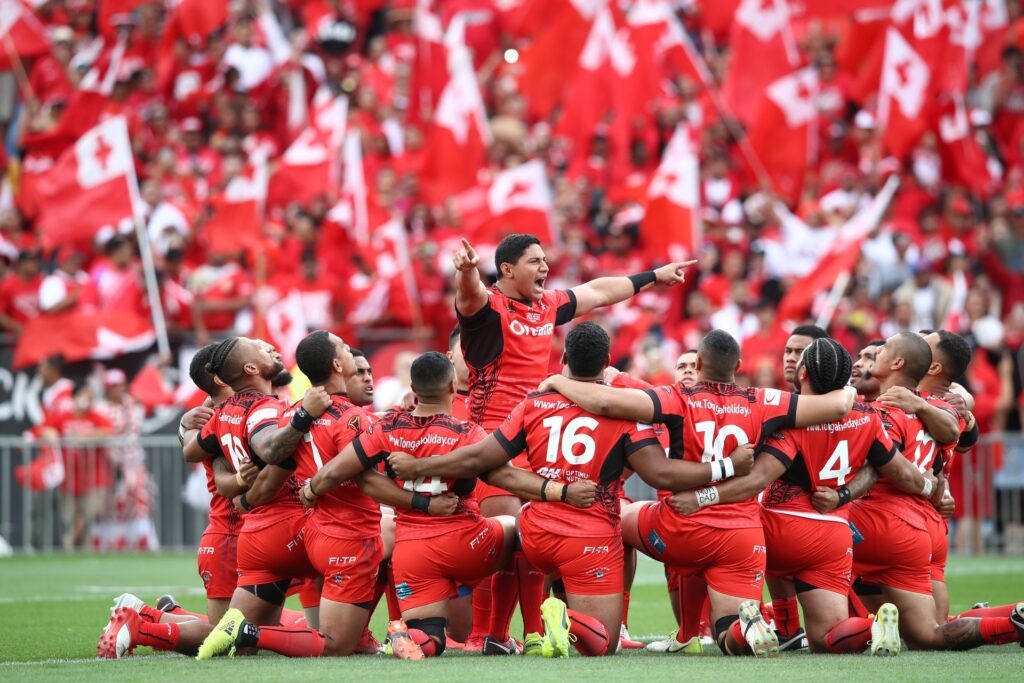
These weren’t symbolic selections. These were elite NRL forwards in their prime choosing heritage over prestige. From that moment on, playing for Samoa or Tonga was no longer seen as a secondary option. It became a statement.
And once that door opened, the landscape of the international game was never the same.
Toa Samoa: Belief, Leadership, and Box-Office Flair
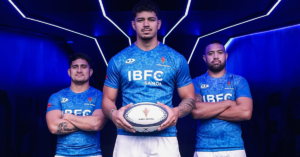
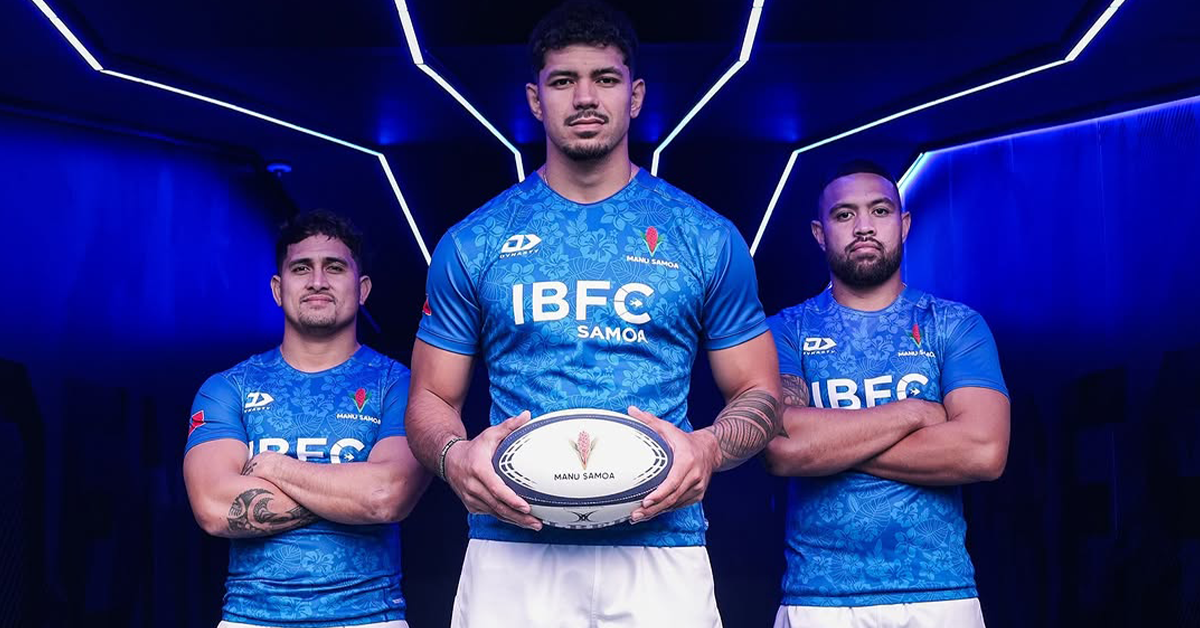
That shift paved the way for Toa Samoa’s rise, and their run to the Grand Final at the last World Cup proved it wasn’t just hype. Beating England on their own soil in a semi-final under that level of pressure was a turning point for the sport. Samoa didn’t just survive the moment — they owned it.
What makes this Samoan side even more dangerous now is the balance they’ve found. Junior Paulo and Josh Papalii have set a standard of leadership, professionalism, and pride that has completely changed the perception of the blue jersey. Because of them, younger players aren’t waiting to see what offers come from Australia or New Zealand anymore. Samoa is the priority.
On top of that foundation, Samoa has flair. Stephen Crichton and Jarome Luai bring confidence, swagger, and creativity that can flip a game in minutes. They play with personality, but also with intent. Every carry, every kick, every celebration feels like it means something. This isn’t a team happy to be invited to the table — this is a team that expects to sit at the head of it.
Mate Ma’a Tonga and the Power of Identity
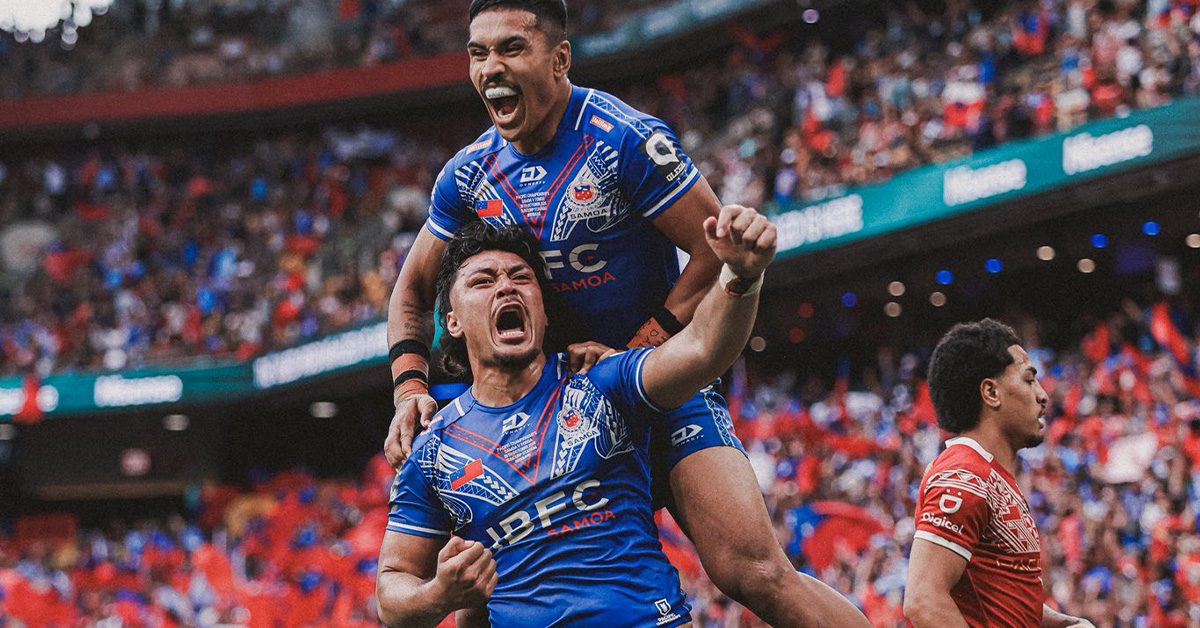
If Samoa represents belief, Mate Ma’a Tonga represents identity in its rawest form. When Tonga take the field, it’s impossible to ignore the Red Sea of supporters that follows them everywhere. Just like Samoa’s Blue Sea, these fanbases have completely transformed the atmosphere of international rugby league.
And when these two nations face off, there is nothing else like it in the sport. The intensity, the noise, the emotion — it’s unmatched. Church Hymns echo through the stadium, flags wave nonstop, and every hit feels personal. Those games don’t feel neutral. They feel alive.
The pull of this rivalry has gone global. Polynesians are flying in from America, Australia, and New Zealand just to experience a Toa Samoa vs Mate Ma’a Tonga match in person. Even fans with no cultural connection are showing up because the word is out — the vibes are elite, and the atmosphere is second to none.
The Next Wave: Youth and Fearlessness
What makes Tonga even more dangerous heading into this World Cup is the emergence of young talent like Isaiyah Katoa. He represents the next evolution of Mate Ma’a Tonga — fearless, composed, and creative. Katoa plays with a freedom that lifts the entire side and signals that Tonga aren’t just about power and emotion anymore. They’re adding finesse, vision, and control to their game.
That blend of youth and pride makes Tonga a genuine threat to anyone on their day.
The Benchmark Remains — But the Gap Is Gone
Australia are still the team to beat. That hasn’t changed. The Kangaroos know how to win World Cups, and their depth is unmatched. New Zealand will always be dangerous, and England will believe they can make another deep run.
But for the first time in a long time, they’re not just chasing Australia anymore.
They’re chasing Samoa and Tonga — teams driven by identity, fueled by belief, and backed by fanbases that have reshaped the international game.
This World Cup isn’t just about who lifts the trophy. It’s about how rugby league has evolved. And right now, the loudest message in the sport is coming from the islands.
The Kangaroos may still wear the crown — but the challengers aren’t waiting their turn anymore.