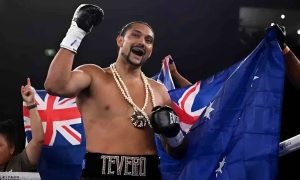

If you’ve followed boxing long enough, you know this already: talent gets you noticed, but management decides how far you actually go. That’s why Jai Opetaia moving from Matchroom to Zuffa Boxing feels like more than just another contract headline. It feels like a line being drawn in the sand.
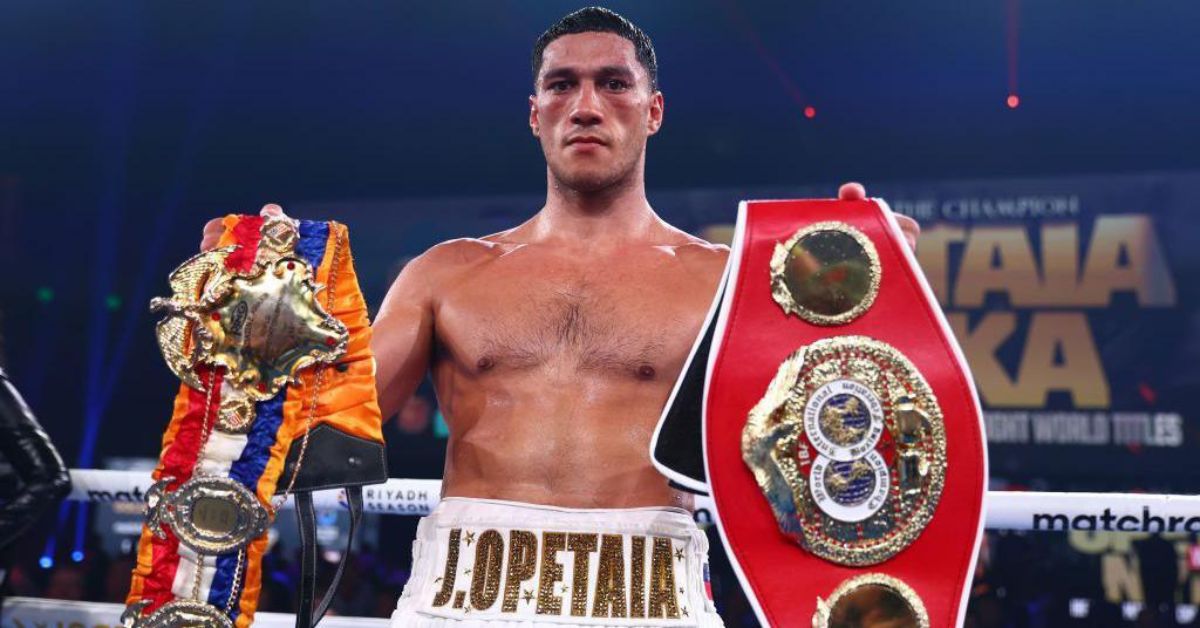
Jai has been one of the most legit cruiserweights on the planet for a minute now. He passes the eye test easily, he’s already proven himself at world level, and every time he steps in the ring, he looks like a guy who should be chasing history, not waiting around for permission. Yet for all of that, the unification fights never quite materialized under Matchroom.
And that’s where the Eddie Hearn conversation starts getting uncomfortable.
Matchroom is excellent at building fighters, branding them, and getting them on big cards. But finishing the job — especially when it comes to forcing unifications — hasn’t always been their strong suit. Jai won a world title, defended it, looked dominant, and then… stalled. Every time fans thought the division would finally move, something else took priority. Another event. Another market. Another fighter higher on the promotional food chain.
It wasn’t that Jai wasn’t good enough. It was that he wasn’t the main focus. That’s why the move to Zuffa Boxing hits differently.
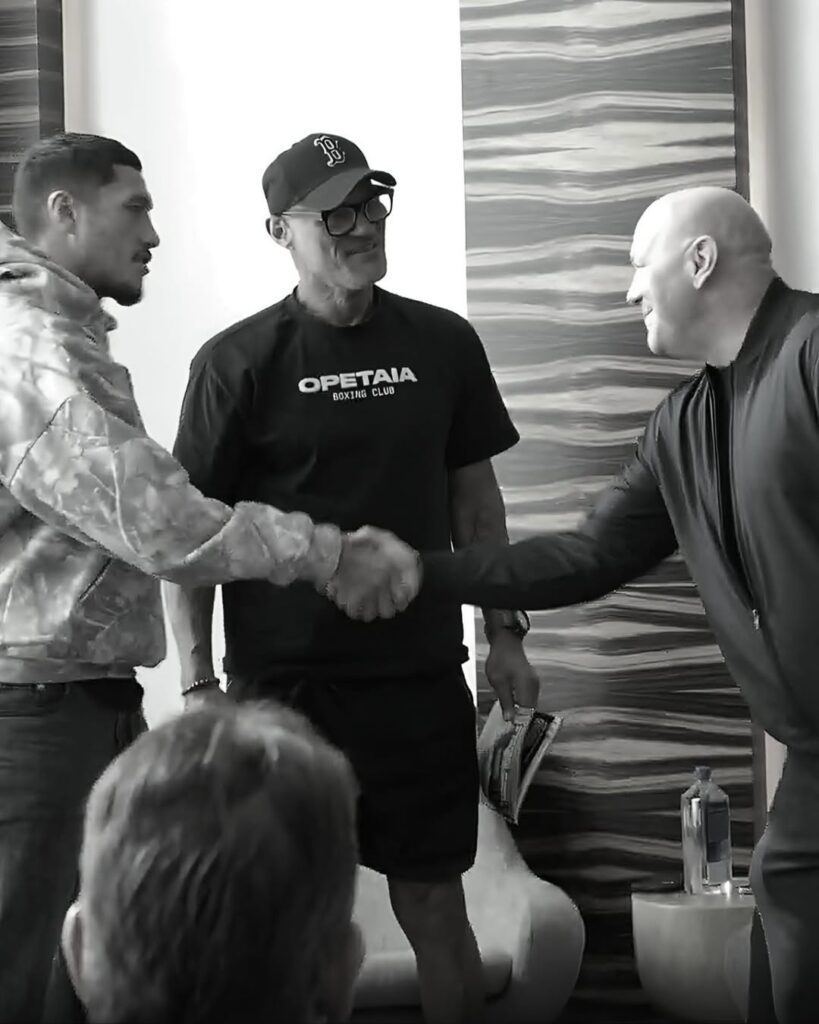
Dana White doesn’t operate like a traditional boxing promoter. He never has. His entire reputation is built on applying pressure — to fighters, to opponents, to organizations — until the fights people want either happen or someone gets exposed for avoiding them. He hates stagnation, and he hates champions sitting on belts without clarity.
Now add something people aren’t talking about enough: Dana White’s working relationship with Golden Boy Boxing.
Dana and Oscar De La Hoya may have had their public friction over the years, but business-wise, there’s a real alignment there now. Golden Boy controls key pieces of the boxing ecosystem, including fighters and belts that matter in the cruiserweight picture. With Zuffa stepping into boxing seriously and Golden Boy already established, Dana suddenly has leverage. Real leverage.
That’s what puts both Dana and Jai in a prime position.
This isn’t about waiting for the division to open up. This is about forcing it open. If Zuffa and Golden Boy are aligned, unification talks don’t stay theoretical anymore. They become unavoidable. Opponents either sign or they look like the ones slowing the sport down.
And that’s a massive shift from the “we’ll see next year” energy boxing fans have grown tired of.
There’s also a bigger signal here about where Matchroom sits in the current landscape. Riyadh Season has changed the game financially, but it’s also flooded boxing with spectacle at the cost of urgency. Huge cards, huge money, but fewer divisions actually moving toward undisputed outcomes. Jai’s departure feels like a quiet acknowledgment of that problem.
It’s not the end of Matchroom, but it might be the end of them being the automatic home for fighters who want history fast.
What really elevates this moment, though, is who Jai Opetaia represents.
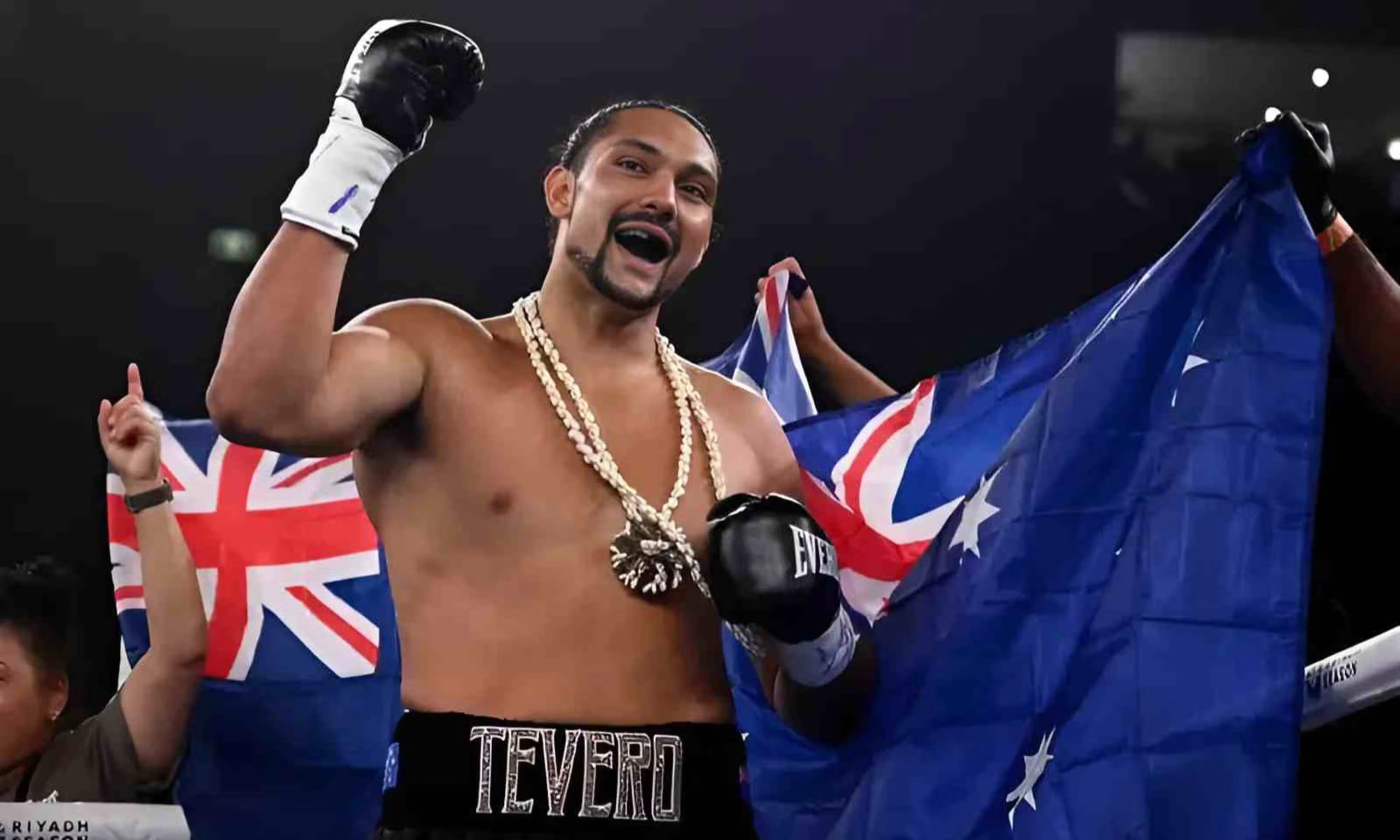
As an Australian fighter with deep Samoan roots, Jai isn’t just chasing belts for himself. In Pacific culture, success is collective. You don’t win alone. Every step forward carries your family, your community, your heritage with you. Becoming a unified or undisputed champion wouldn’t just be a personal milestone — it would be historic for Australia and deeply meaningful for Samoa.
Bringing those belts back isn’t symbolic. It’s a legacy. It’s proof that fighters from the Pacific can not only compete at the top, but define eras.
That’s why this move matters.
If Dana White and Zuffa Boxing follow through the way they’ve always claimed they would — pushing best versus best, eliminating dead time, and cutting through politics — Jai Opetaia could finally get the runway his talent deserves. Not in five years. Not after another cycle. Now.
And if that leads to unification belts being wrapped around a proud Samoan-Australian fighter’s waist?
Then yeah — this won’t just be a promotional switch.
It’ll be remembered as the moment boxing’s power structure started to shift.