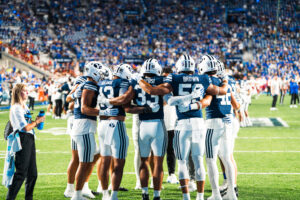

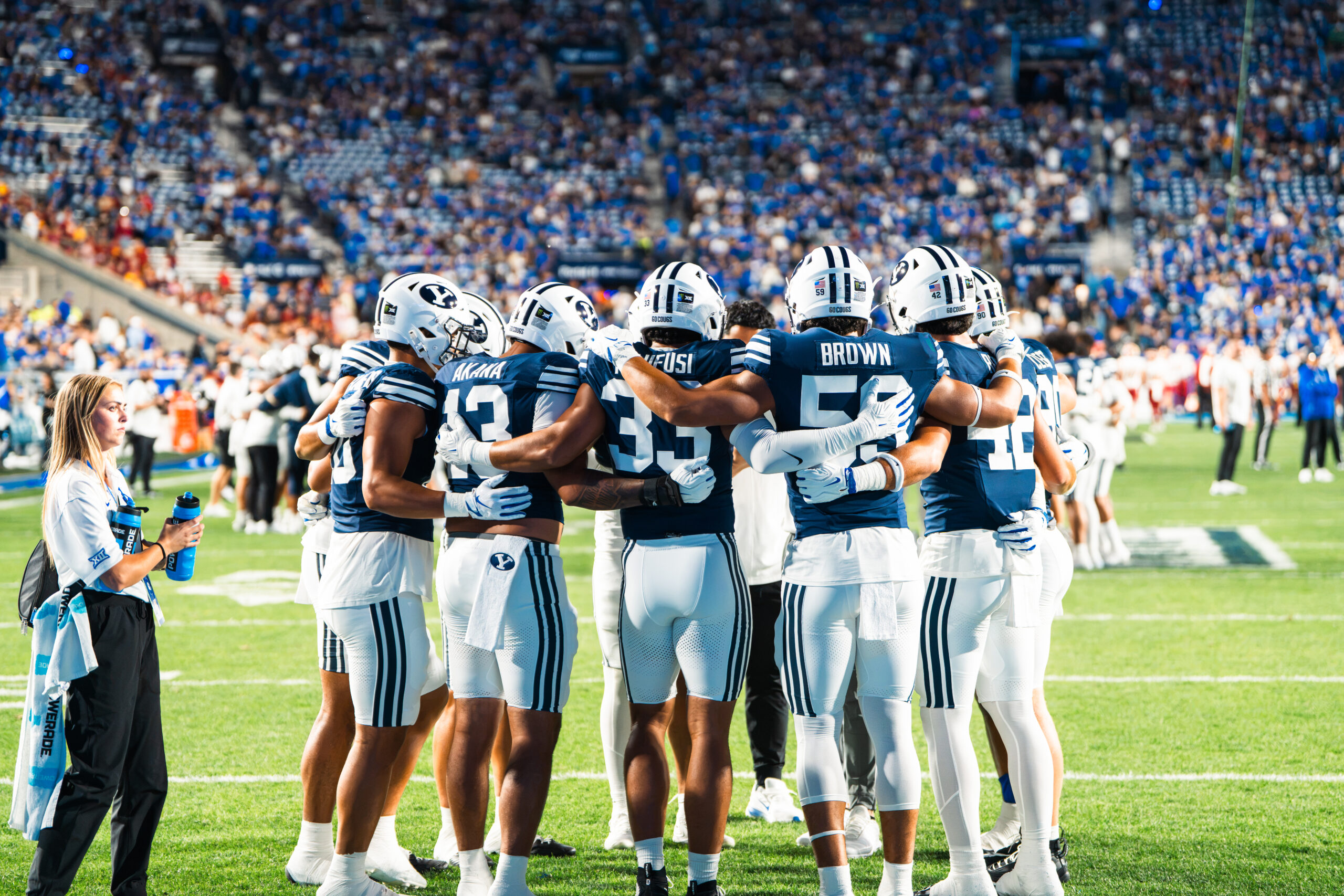
For the first time in the storied history of the Holy War, Brigham Young University and the University of Utah will take the field as Top 10 heavyweights. When No. 3 Utah (8-0, 5-0 Big 12) hosts No. 9 BYU (7-1, 4-1 Big 12) at Rice-Eccles Stadium on Saturday, far more than state bragging rights hang in the balance; the winner commands the inside track to Arlington for the Big 12 championship and a coveted College Football Playoff berth.
The rivalry’s roots are as deep as they are disputed: Utah claims a 103-game history dating back to 1896, holding a 62-37-4 lead, while BYU recognizes 97 meetings starting in 1922, trailing 59-34-4. Yet amid the heat of battle, both programs share a defining foundation: a rich Polynesian football pipeline that has shaped their identities and line-of-scrimmage dominance for decades.
Long before Pacific Islander talent gained national prominence across college football, BYU and Utah established pioneering pipelines to Tonga, Samoa, and Hawaii. Today, that legacy lives on through elite coaching leadership and on-field execution. BYU head coach Kalani Sitake—the first Tongan head coach in FBS history—and Utah head coach Morgan Scalley (who previously coached alongside Sitake under Kyle Whittingham) foster locker room cultures grounded in faith, family, and physical discipline. Polynesian athletes anchor both trenches and skill groups, from BYU defensive linemen Keanu Tanuvasa and Nusi Taumoepeau to Utah trench leaders like defensive tackle Junior Tafuna and offensive tackle Spencer Fano. These players bring unique cultural pride, deep family bonds, and relentless toughness to the heart of the rivalry.
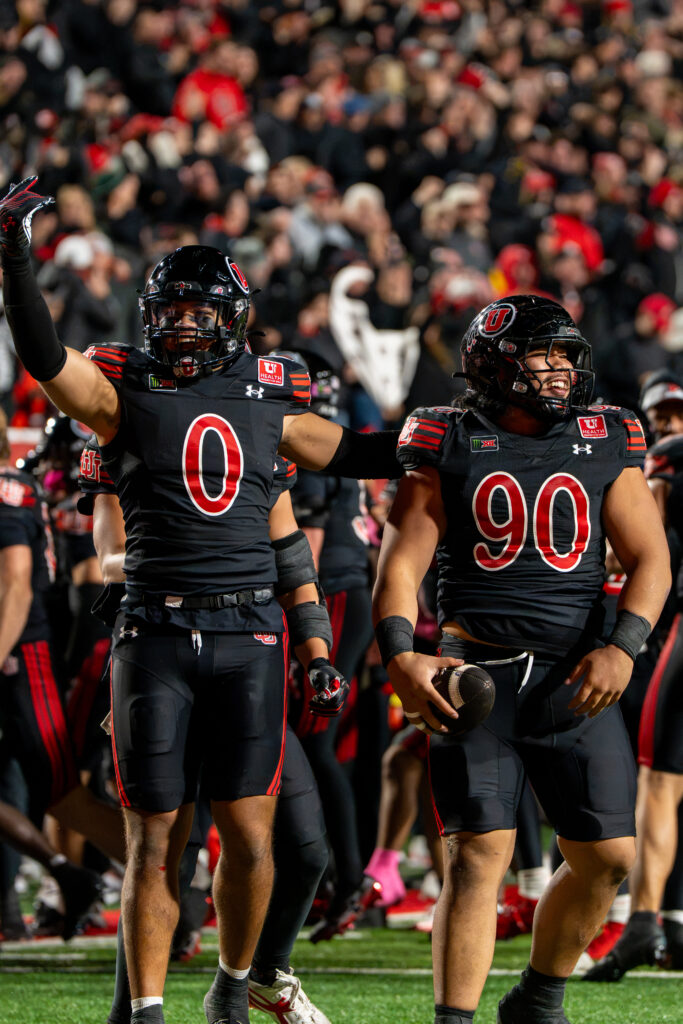
Standing directly at the intersection of this shared heritage is Keanu Tanuvasa. The 6-foot-4, 300-pound Samoan defensive tackle grew up with Ute blood in his veins—his father, Shawn, played for Utah. Tanuvasa began his collegiate career in Salt Lake City, appearing in 24 games and starting 19 while earning Freshman All-American honors in 2023. Seeking a fresh chapter, he transferred to BYU in 2025. In Provo, his work ethic and vocal leadership made an immediate impact, prompting teammates to vote him team captain in both 2025 and 2026. Walking back into Rice-Eccles Stadium as a two-time BYU captain facing his former brothers, Tanuvasa embodies the emotional gravity of a rivalry where ties run far deeper than jersey colors.
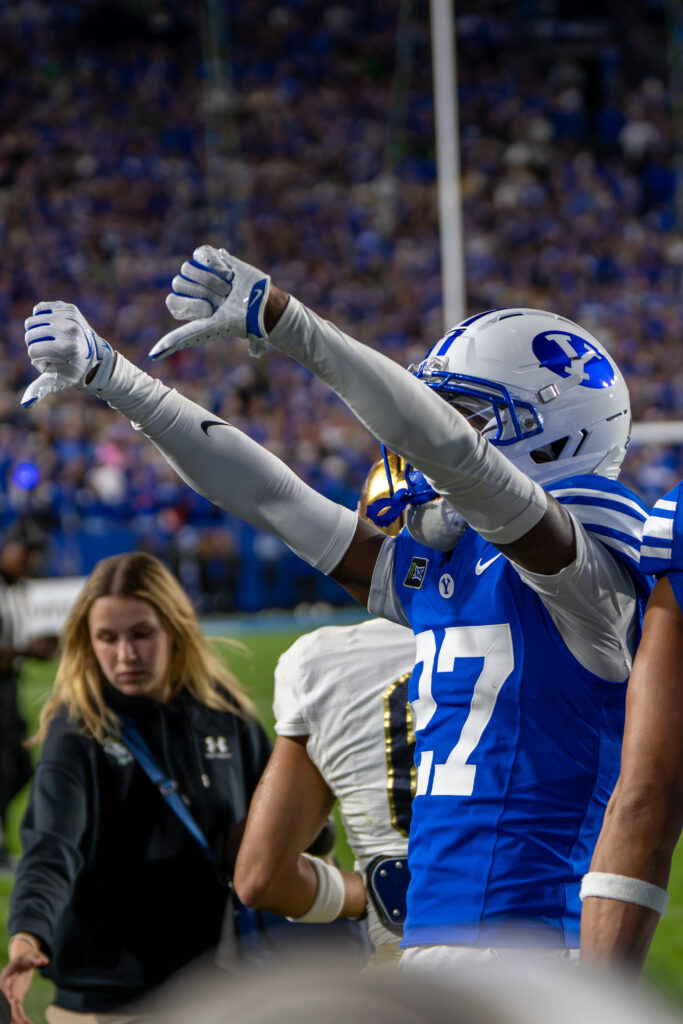
On the field, the matchup hinges on contrasting strengths. Utah enters on a 14-game winning streak, fueled by an electric offense averaging 200 passing and 130 rushing yards per game behind dual-threat quarterback Devon Dampier. However, Utah’s pass rush ranks 62nd among Power Four teams with a 26% pressure rate. That gives BYU quarterback Bear Bachmeier—who led BYU to a 24-21 Holy War victory last season—time to operate behind an offensive line allowing pressure on just 24% of dropbacks (6th nationally). Expect Bachmeier to target breakout freshman receiver Legend Glasker (18.3 yards per catch, 4.30 yards per route run) against a Utah defense ranked 72nd in explosive pass plays allowed. While Utah boasts a formidable 40% red-zone defense, BYU’s 80% red-zone touchdown rate gets a major boost with top running back LJ Martin trending toward returning.