
The Samoa international is using his platform to challenge the financial disparity between competing nations, arguing that the contribution of Pacific players, supporters and communities deserves greater recognition.
Samoa international Spencer Leniu has opened up a bigger conversation about the treatment of Pacific nations in international rugby league, calling for change in how players are compensated and recognised at the Rugby League World Cup. In a lengthy statement shared to Instagram, Leniu addressed the financial disparity between nations competing at the 2026 tournament, making it clear that his concerns extend beyond his own playing career.
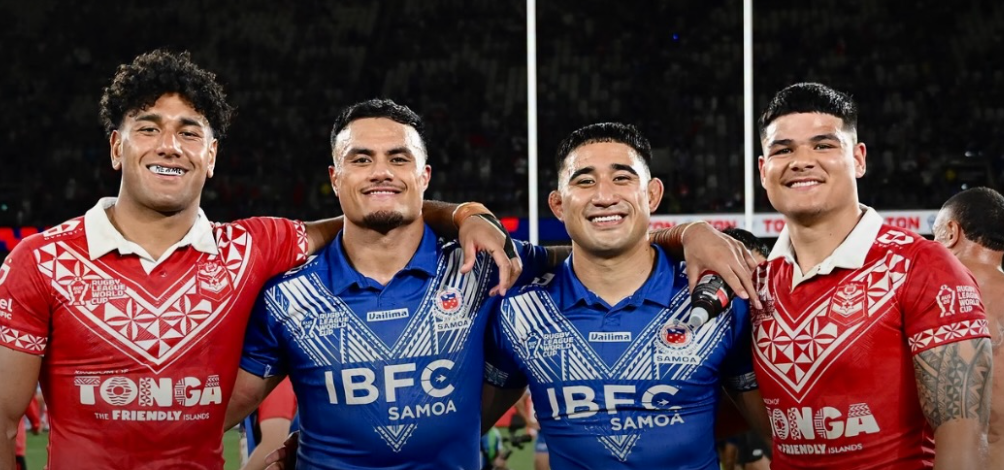
The Sydney Roosters forward shared a photograph alongside fellow Roosters players Benaiah Ioelu, Siua Wong and Salesi Foketi, bringing together players connected to both Toa Samoa and Tonga.
But it was the message accompanying the photograph that carried the weight of his post.
“I’ve done everything this game has to offer, and one thing I want to make sure of moving forward is that the younger generation who choose to represent their beautiful little nations get what they deserve,” Leniu wrote. At the center of his statement is the difference in tournament payments between Australia’s Kangaroos and players representing other international nations. Leniu pointed to the reported AU$850 match payment for players representing nations such as Samoa and Tonga, compared with the reported AU$30,000 to AU$40,000 tournament payment for Australian players.
The disparity has been a subject of discussion throughout the tournament, with questions raised about how international players are valued and supported when representing their countries. According to reporting by RNZ Pacific, the International Rugby League confirmed a standard AU$850 match fee, while Australian players’ separate remuneration arrangements were negotiated through the Australian Rugby League Commission and the Rugby League Players Association. The difference is one Leniu believes needs to be addressed, particularly when considering what Pacific nations bring to the international game.
“There’s no secret that they’ve used our people to sell games,” he wrote.
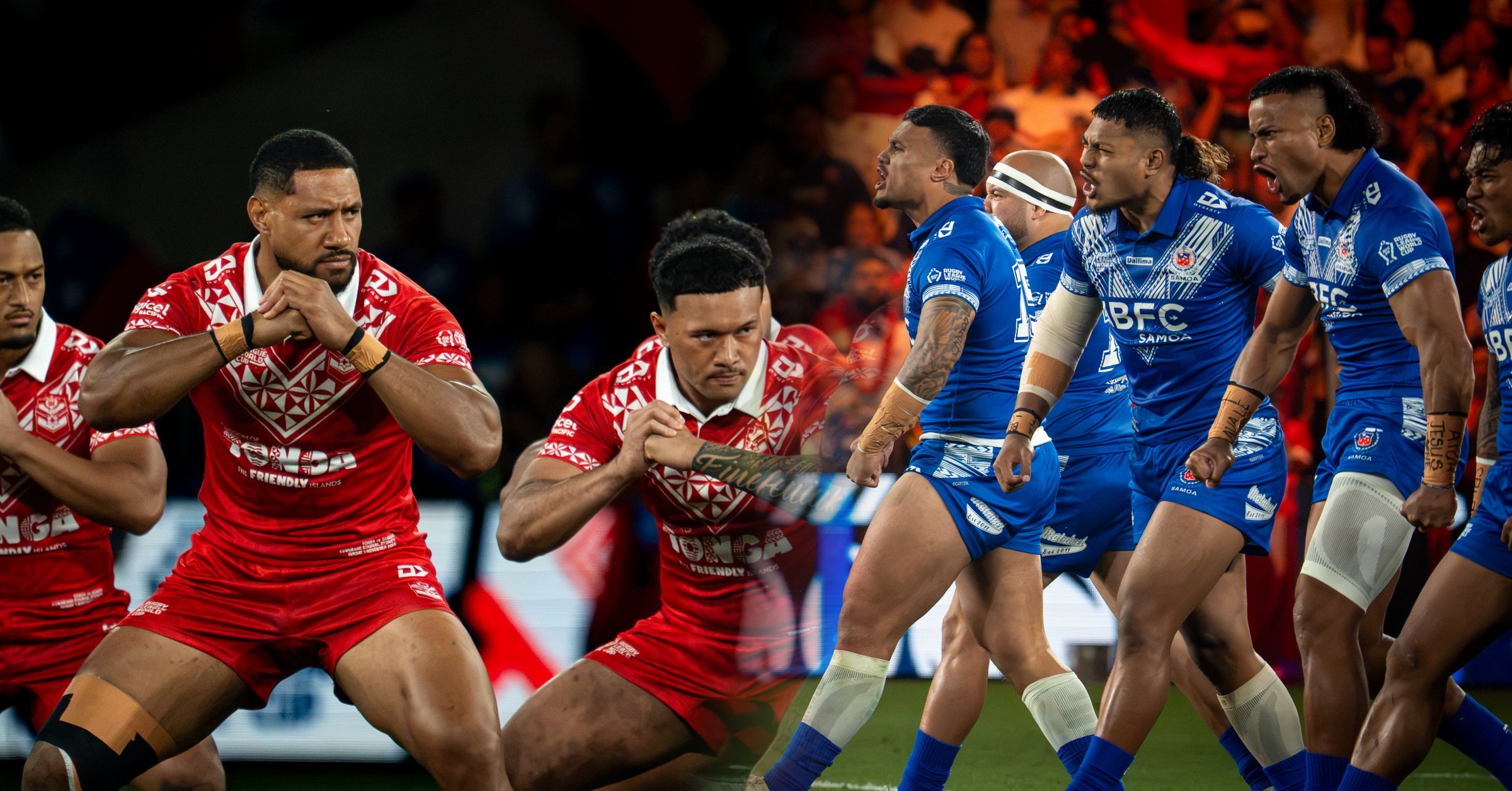
He pointed to the highly anticipated meeting between Samoa and Tonga as an example of the passion and commercial appeal surrounding Pacific rugby league.
The November 1 clash at CommBank Stadium brought together two nations with deeply connected communities and a shared rugby league following. The occasion drew enormous attention, with supporters turning out in numbers to create an atmosphere that reflected the significance of the rivalry beyond the field. For Leniu, that contribution should carry greater weight when decisions are made about how the game rewards its participants.
“Our people turn up in numbers, fill the stadiums and create an atmosphere filled with pride and passion,” he wrote.
His message also comes at a significant time for the international game, following the announcement that the 2030 Rugby League World Cup will be staged across the Pacific and the United States. The tournament is set to expand, with the men’s competition increasing from 10 to 12 nations and the women’s competition from 8 to 10. Leniu specifically referenced Utah and Hawaii, highlighting the significant Polynesian communities in the United States and the opportunities they present for growing the game. His argument is that the communities helping generate interest in international rugby league should also see their contributions reflected in how the game supports and compensates its nations and players.
“Us Polynesians/Kiwi boys will always put their hands up to represent their nations. It’s in our blood. It’s our pride, our culture. But that passion shouldn’t be an excuse to overlook what we contribute and what we deserve,” he wrote.
Perhaps the most important part of Leniu’s statement is where he directs the conversation next. Rather than framing his concerns around what he personally stands to gain, he has placed the focus on the players who will follow him, the young athletes who will one day face the same decision of which nation to represent.
“I’ll use my voice and platform to push for change, because the next gen deserve it.”
He acknowledged that speaking out could come with consequences, but made his position clear.
“If that means putting head on the chopping block, then so be it. This is bigger than me!”
Leniu’s comments add to an ongoing conversation about financial equality and the future of international rugby league. Tonga representative Felise Kaufusi has also spoken about the need for greater equality in tournament payments, indicating that concerns around player compensation extend beyond one national team. As the sport looks towards its next World Cup in 2030, questions about investment, representation and the financial support provided to competing nations remain important. Pacific rugby league has continued to demonstrate the strength of its players, its supporters and its communities on the international stage. Leniu’s message is a reminder that the future of the game must also consider the people and nations helping build it. For him, the conversation is ultimately about ensuring the next generation receives the recognition and support it deserves. Because representing your nation should never mean having to accept less.