
From the passion of Pacific supporters to the growth of international competition, the 2026 Rugby League World Cup has highlighted the influence of the Pacific, the importance of representation and the opportunities ahead for the international game. The 2026 Rugby League World Cup has delivered compelling moments across the men’s and women’s competitions, but some of its biggest stories have extended well beyond the scoreboard. Across Australia, New Zealand and Papua New Guinea, the tournament has showcased the growing strength of international rugby league, the importance of cultural representation and the communities that continue to support their nations on the world stage. For Samoa and Tonga, the men’s competition has reinforced their position among the leading international sides. Fetū Samoa and Fiji have also brought important attention to the women’s game, while the passion of Pacific supporters has helped create some of the tournament’s most memorable atmospheres. With the semi-finals now complete and the finals approaching, five takeaways stand out from a World Cup that has given international rugby league plenty to consider about its present and its future.
1. The Pacific brought the people, the passion and the atmosphere
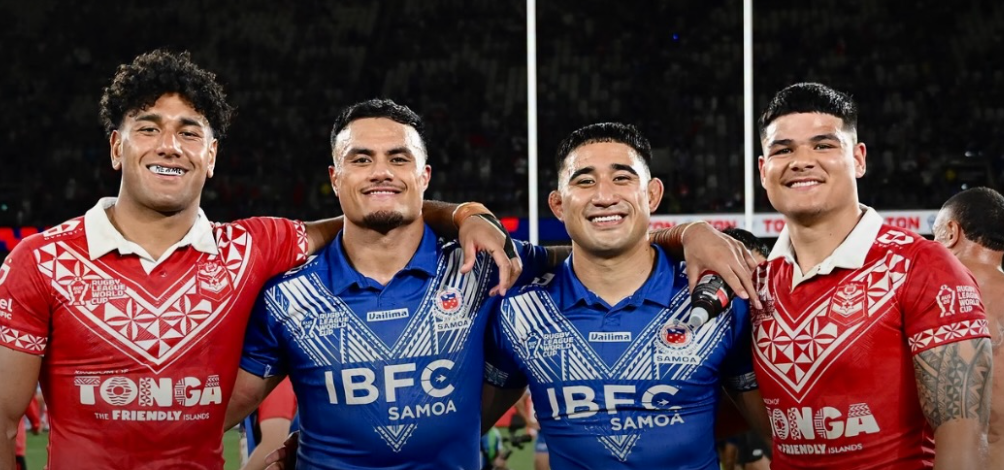
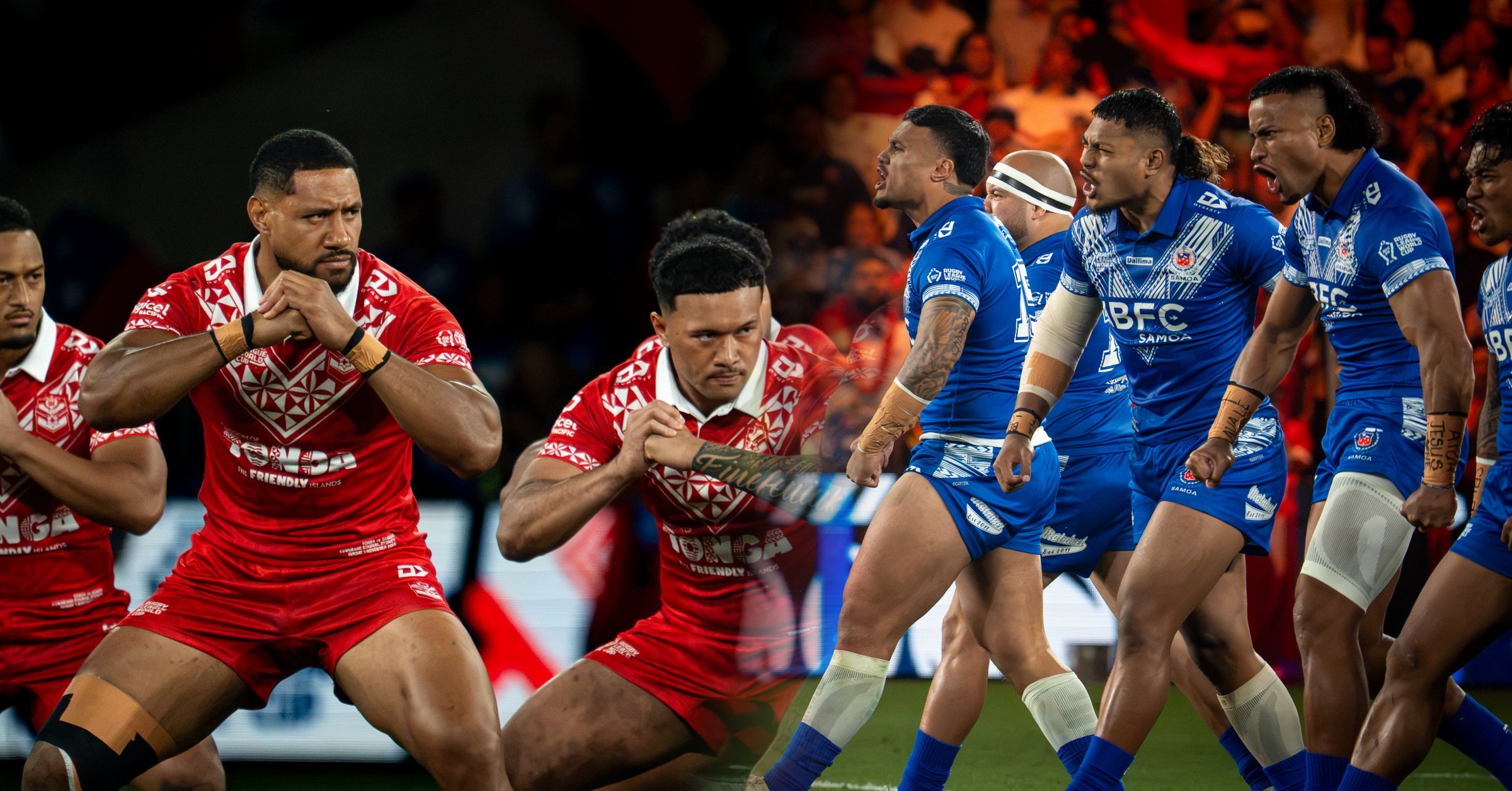
One of the defining features of the 2026 Rugby League World Cup has been the presence of Pacific supporters. From the Blue Army backing Toa Samoa to Tonga’s Sea of Red, the connection between these teams and their communities has been visible throughout the tournament. Supporters have travelled, filled stadiums, gathered with family and communities, and followed their nations from across the world. It is a level of connection that goes beyond the result. For many, supporting Samoa, Tonga, Fiji or the Cook Islands is an expression of identity, family and heritage. The players represent more than a national team. They represent communities whose pride in their culture is carried into every match. The response to Toa Samoa’s opening men’s match against France offered an early example. Despite the Friday afternoon kick-off, Samoa’s 78-4 victory attracted a crowd of more than 13,000 to CommBank Stadium, with much of the support coming from Western Sydney’s Samoan community. ABC Sport highlighted the turnout as an example of the influence Pasifika communities have had on the atmosphere of this World Cup. That support reached another level when Samoa and Tonga met on November 1. The fixture became the first match of the tournament to sell out, with 29,411 spectators at CommBank Stadium for a contest that delivered one of the most memorable occasions of the competition. The atmosphere surrounding the match reflected the significance of the rivalry. The pre-match performances, national colours, songs and chants created an occasion that was felt throughout the stadium. It was a celebration of two nations and the communities that stand behind them. The impact has not been limited to those attending matches in person. Pacific supporters across Australia, New Zealand, the United States and elsewhere have followed the tournament, creating watch parties and bringing their communities together around the teams. The World Cup has demonstrated that international rugby league has an audience with a deep emotional connection to the nations competing. For organisers, broadcasters and governing bodies, that connection represents an opportunity to continue growing the game. The Pacific brought the people, the passion and the atmosphere. The challenge for international rugby league is to ensure that this support is recognised as an important part of the tournament’s future, not simply something celebrated when the stadiums are full.
2. Samoa and Tonga are changing the international rugby league landscape
Samoa and Tonga entered the tournament with expectations, but both nations once again demonstrated why they are increasingly regarded as serious contenders in international rugby league. Their performances throughout the men’s competition showed the depth of talent available to Pacific nations and the growing competitiveness of the international game. Toa Samoa opened their campaign with a commanding 78-4 victory over France before producing another strong performance against Papua New Guinea, winning 64-6 in Port Moresby. The team then faced Tonga in a highly anticipated final pool match, going down 20-18 in a contest that could have gone either way. Tonga also made a statement early in the tournament, defeating England 30-12 before recording a 36-0 victory over Lebanon. Their performances confirmed that the Mate Ma’a Tonga side had the ability to compete with established international powers. Both nations progressed to the semi-finals, putting them among the final four teams in the men’s competition. Tonga faced New Zealand in Newcastle, where the Kiwis secured a 34-10 victory. Samoa met Australia in Sydney, with the defending champions producing a strong performance to win 44-12. While neither Pacific nation reached the final, their presence in the semi-finals reflected the progress both have made in recent years. The significance of their campaigns extends beyond this tournament. Samoa reached the men’s World Cup final in 2022, becoming the first Pacific nation to do so. Tonga’s rise has also reshaped expectations, with the nation establishing itself as a genuine threat to the traditional powers of international rugby league. The growth of these teams has been supported by players choosing to represent their heritage, strong coaching structures and a growing commitment to international competition. Their success has also encouraged younger generations to see representing their Pacific nations as a realistic ambition. There is still work to be done. Sustained success requires consistent international fixtures, stronger domestic pathways, investment in development and the resources to support players and governing bodies beyond World Cup years. But the direction is clear. Samoa and Tonga are no longer simply competing for recognition. They are helping change the expectations of what Pacific nations can achieve in international rugby league.
3. The women’s game deserves just as much attention
The growth of the women’s game has been another important story of the 2026 Rugby League World Cup. Fetū Samoa and Fiji’s Bulikula have given Pacific supporters more reasons to follow the tournament, while demonstrating the talent and potential developing across the region. For Fetū Samoa, the campaign represented an important milestone. Competing in their first Women’s World Cup since 2008, the team entered the tournament under head coach Frank Pritchard, with co-captains Annetta Nu’uausala and Evania Isa’ako leading the side. After opening with a 40-0 defeat to Australia, Fetū responded with a record-breaking 76-0 victory over Wales. Tyra Ekepati scored a hat-trick on debut, while Amber Hall was named Player of the Match. Pauline Piliae-Rasabale also made an impact, converting 10 of Samoa’s 14 tries. The team carried that momentum into its final pool match against England, producing a 24-6 victory to secure a place in the semi-finals for the first time in the nation’s Women’s World Cup history. Freedom Crichton Ropati was central to the result, scoring three tries in a performance that helped deliver a historic night for Fetū Samoa.
Their semi-final against New Zealand presented another challenge. The Kiwi Ferns secured a 32-0 win, ending Samoa’s campaign, but the result did not take away from what the team had achieved in reaching the final four.
Fiji’s Bulikula also made history, competing at their first Women’s World Cup and progressing to the semi-finals. Their match against Australia provided one of the standout moments of the women’s competition. Fiji raced to an 8-0 lead before Australia fought back to level the scores at half-time. The Jillaroos eventually secured a 30-14 victory, but Fiji had demonstrated the competitive potential of a developing side on the international stage. These campaigns deserve attention beyond the tournament itself, to be honest. Women’s rugby league continues to grow, but that growth needs to be supported by meaningful investment. Players need access to stronger development pathways, consistent competition, quality coaching, resources and opportunities to represent their countries regularly. The women’s game should not have to rely on a major tournament to receive visibility. The performances of Fetū Samoa and Fiji have shown what is possible when talent is given the opportunity to compete on the international stage. Their progress should be a starting point for the next generation, not an isolated moment in the World Cup calendar.
4. Samoa vs Tonga was the game of the World Cup
Some matches are remembered for the result. Others are remembered for everything surrounding them. Samoa versus Tonga on November 1 was one of those occasions. The highly anticipated meeting at CommBank Stadium brought together two nations with a fierce sporting rivalry and a shared connection through culture, family and heritage. It was the first match of the tournament to sell out, attracting 29,411 spectators and delivering an atmosphere that matched the occasion. From the national anthems to the Siva Tau and Sipi Tau, the occasion carried a significance that extended well beyond the competition. The stadium was filled with the colours of both nations, with supporters making their presence known throughout the night. And the football delivered. Tonga held an 8-4 lead at half-time before extending their advantage to 14-4 after the break. Samoa responded through Brian To’o, who scored twice, before Hamiso Tabuai-Fidow and Ronald Volkman helped turn the contest around. Volkman’s try put Samoa ahead 18-14 with the match entering its closing stages. But Tonga were not finished. Captain Addin Fonua-Blake powered over for a crucial try in the 72nd minute, bringing the scores level. Isaiya Katoa converted to restore Tonga’s lead at 20-18. Samoa pushed for a late response, but Tonga held on to secure the victory. The result was significant for Tonga, but the occasion belonged to both nations. It was a contest that reflected the competitiveness of the Pacific rivalry and the passion of the communities behind it. The match also demonstrated the potential of international rugby league when the right teams, the right occasion and the right audience come together. The sold-out stadium, the atmosphere and the quality of the contest made it one of the defining fixtures of the tournament. Calling it the game of the World Cup is an editorial judgment, but it is difficult to overlook what the occasion represented. It was a reminder that some of the sport’s most compelling international contests are being shaped by Pacific nations and the communities that support them. For supporters of both Samoa and Tonga, the final score settled the match. The significance of the occasion will last much longer.
5. The next chapter of international rugby league must recognize the Pacific
The 2026 Rugby League World Cup has given international rugby league an opportunity to reflect on more than the results on the field. It has shown the competitive strength of Pacific nations, the reach of their communities and the influence they have on the tournament’s atmosphere and commercial appeal. But with that contribution comes an important question: are the nations helping grow the international game receiving the recognition, resources and treatment they deserve? For Samoa and Tonga, the tournament has reinforced their standing as serious competitors on the international stage. Their meeting at CommBank Stadium on November 1 was the first match of the tournament to sell out, drawing 29,411 fans. The occasion demonstrated the extraordinary interest surrounding these two nations, with supporters creating an atmosphere that reflected the significance of the rivalry well beyond the 80 minutes. That support is part of a much larger story. Pacific communities have continued to show up for their teams, whether in the stands, at community gatherings or through audiences following from overseas. Their connection to the national teams is deeply rooted in identity, family and heritage. It is a powerful part of what makes international rugby league distinctive, and it has helped create occasions that attract attention well beyond traditional rugby league audiences. However, the conversation around the Pacific’s contribution cannot stop at attendance figures and atmosphere. It must also include how players are valued and compensated. That issue was brought into the spotlight by Toa Samoa forward Spencer Leniu, who used his platform following Samoa’s semi-final against Australia to publicly question the disparity in player payments at the tournament. In an Instagram statement, Leniu claimed players representing Pacific nations received approximately AU$850 per match, compared with Australian players receiving between AU$30,000 and AU$40,000 for the tournament. Those figures were his claims, and the payment disparity was subsequently reported by Fox Sports. Leniu’s message was significant because he used his profile to make the issue about the players who will come after him. He acknowledged the pride that comes with representing a nation of heritage, but argued that passion and cultural connection should not become reasons to overlook what those players contribute or what they deserve. His comments also connected the financial conversation to the tournament’s commercial value. He pointed to the Samoa-Tonga fixture as an example of the audiences and atmosphere Pacific nations can generate, arguing that the communities supporting these teams help make international rugby league a major event.
It is a conversation that deserves to continue beyond this tournament. Future World Cups should prioritise a fairer and more transparent approach to player compensation, particularly for nations such as Samoa and Tonga. This does not necessarily mean every national team will have identical financial arrangements, especially when governing bodies operate with different resources. It does mean the international game should examine whether its payment structures adequately recognise the players’ contribution, the demands of representing their countries and the value their participation brings to the competition. There is also a responsibility to ensure that every nation receives the same standard of officiating, regardless of its standing, resources or opposition. The standard of refereeing and video review must be consistent, impartial and accountable across the tournament. This became a prominent discussion following Samoa’s semi-final defeat to Australia, when several decisions attracted scrutiny. Former New Zealand international Shaun Johnson publicly questioned the officiating, while Samoa coach Ben Gardiner expressed frustration over what he described as home-ground calls. Australia won the match 44-12, and its performance should be recognised. At the same time, the result should not prevent legitimate questions about important decisions from being examined.
The issue is not about suggesting that officials deliberately favour one nation or that every disputed decision determines a result. Rugby league is a fast, physical game, and referees and video officials are required to make difficult calls under pressure. But at a World Cup, where nations arrive with different levels of resources and international experience, confidence in the fairness of the competition is essential. Every team should be able to trust that the same standards apply, that decisions are explained clearly and that officiating is held to a high level of accountability. Neutrality must be more than an expectation. It must be evident in how the game is administered. The next World Cup presents an opportunity to address these issues with greater purpose. On November 9, the International Rugby League announced that the 2030 men’s and women’s tournaments would be staged across the Pacific and the United States, with five host locations planned. The men’s competition is set to expand from 10 teams to 12, while the women’s tournament will grow from eight teams to 10. The IRL has also endorsed the proposed elevation of Samoa and Tonga to men’s Tier 1 status, subject to consultation.
These are important steps for the international game. But growth must be measured by more than the number of teams, host locations or spectators. It should also be measured by the opportunities made available to emerging nations, the investment in their domestic pathways, the support provided to their players and the fairness with which they are treated on the international stage. Samoa and Tonga have demonstrated that they can compete with the world’s leading rugby league nations. Their supporters have demonstrated the reach and passion of their communities. Their players have helped deliver some of the tournament’s most compelling moments. The responsibility now sits with the game’s governing bodies to ensure that this contribution is recognised in decisions made long after the final whistle. The Pacific should not have to keep proving its value through sold-out stadiums, passionate crowds and memorable performances. Its place in international rugby league should be reflected in the structures, investment and standards that shape the sport’s future. The next chapter must be about more than bringing the World Cup to the Pacific. It must be about ensuring the Pacific has a fair stake in the game it continues to help grow.