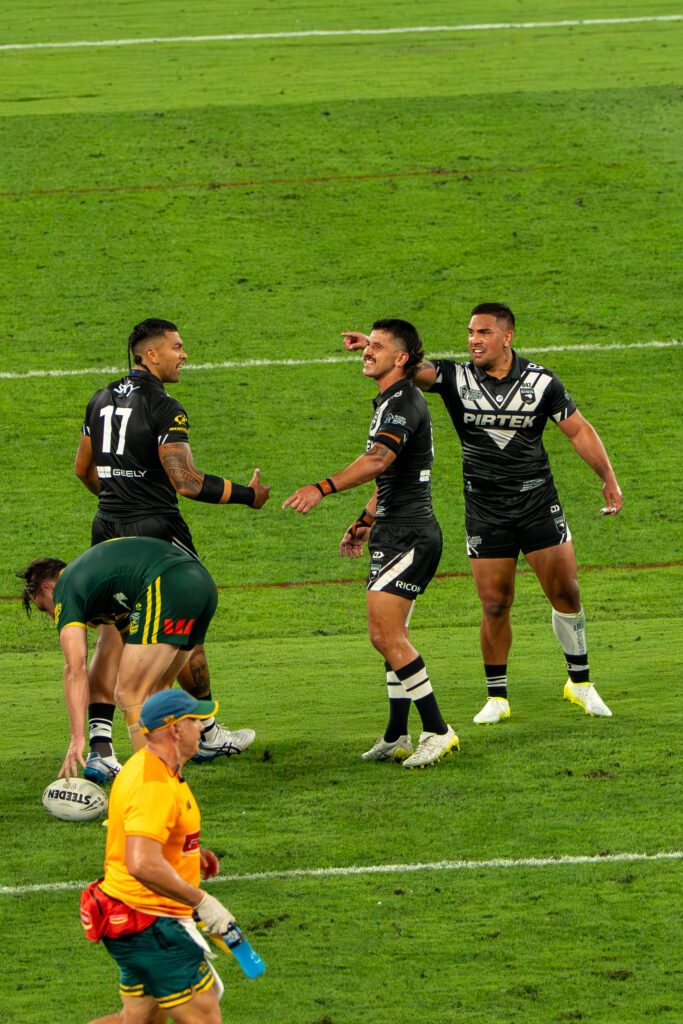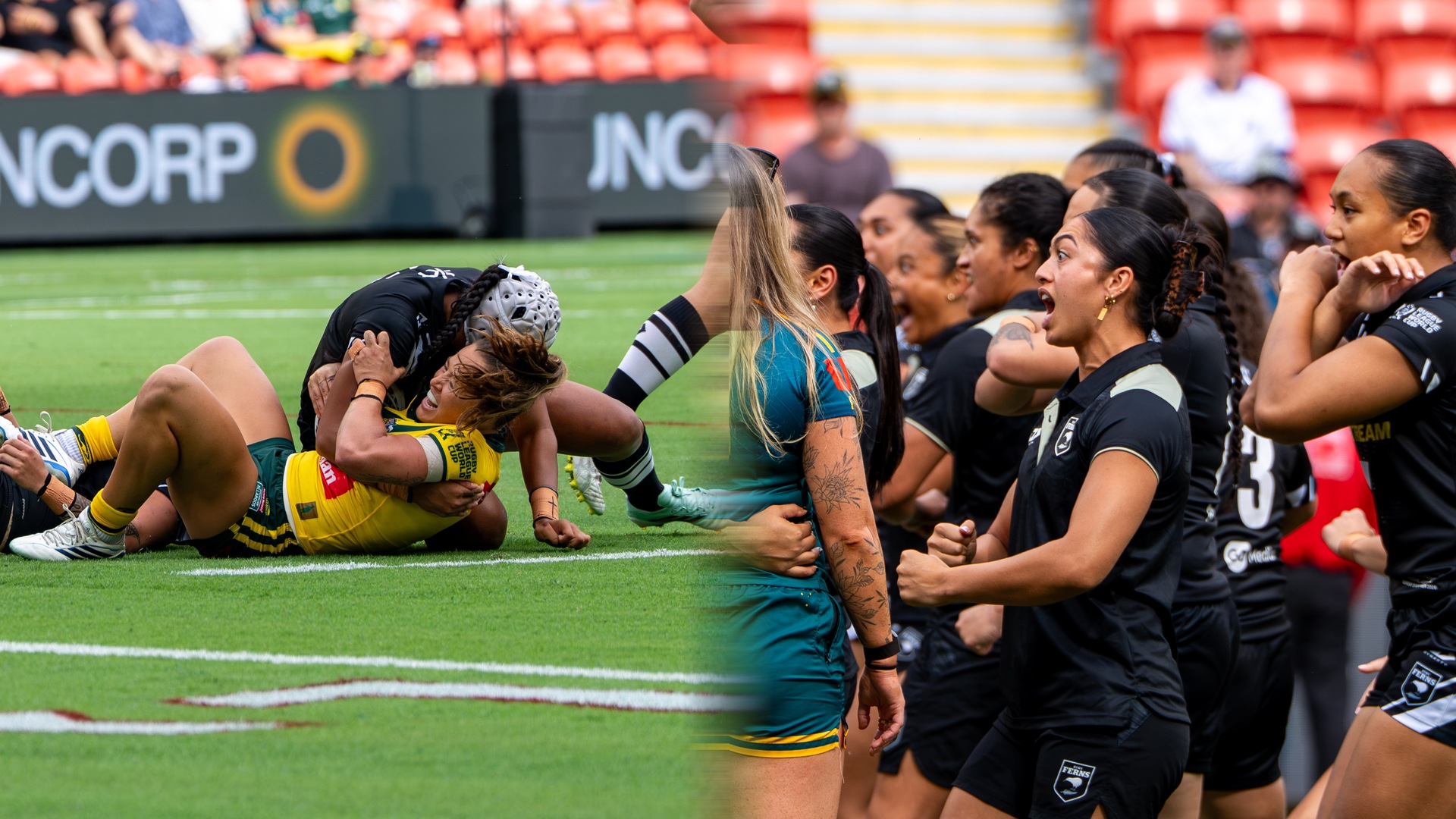


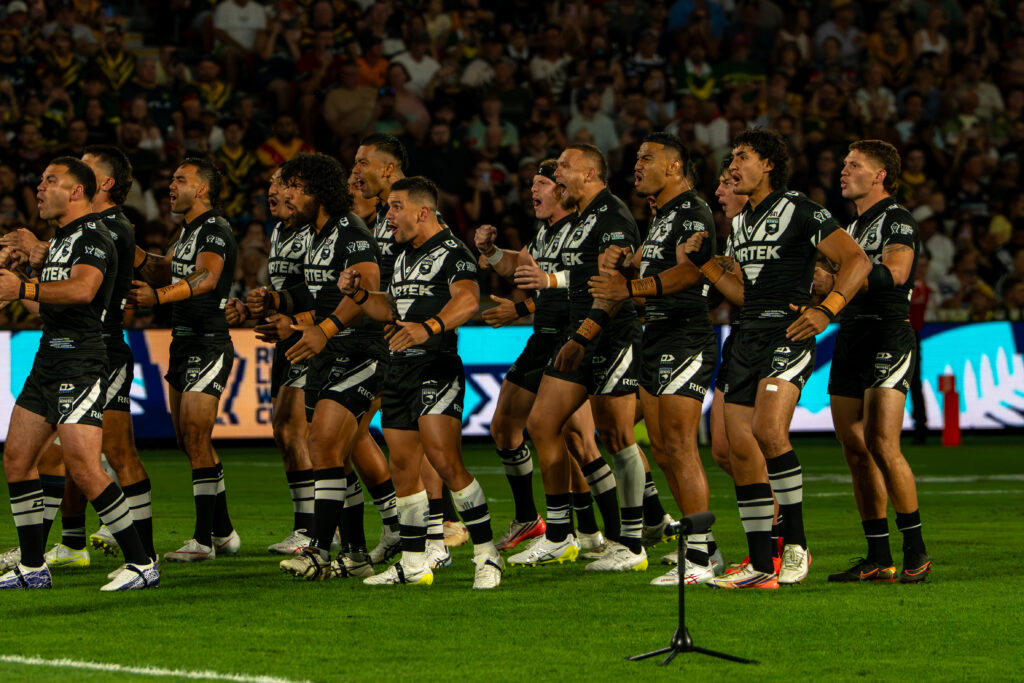
The New Zealand Kiwis’ pursuit of a second Rugby League World Cup came to an end on Sunday night, falling 32-12 to Australia in the men’s final at Suncorp Stadium in Brisbane. While the Kangaroos celebrated a fourth consecutive world championship, the result marked a heartbreaking finish for a New Zealand side that had carried the hopes of Aotearoa throughout the tournament. For the Kiwis, reaching the final represented the culmination of years of work, a group built on experience, emerging talent and a shared ambition to bring the World Cup back to New Zealand for the first time since 2008. And they did not make the journey alone. From the opening match in Sydney to fixtures in Christchurch, the Gold Coast and Newcastle, the Kiwis were followed by passionate supporters who made their presence felt throughout the competition. In Brisbane, that support continued, with fans travelling across the Tasman and gathering behind their team for one final opportunity to witness history.
The connection between the team and its supporters was evident well before kick-off, as the Kiwis took the field carrying the expectations of a rugby league nation that had waited 18 years for another opportunity to celebrate a men’s World Cup triumph. Captain James Fisher-Harris understood the significance of what his side had achieved in reaching the decider. Ahead of the final, the New Zealand skipper spoke about the journey of a group that had been developing together over several years.
“We’re just trying to chase history.
“We’ve been building with this squad and generation over six or seven years, and we’ve worked our backsides off to get here,” Fisher-Harris said.
Those words reflected the commitment behind a campaign that had seen New Zealand establish itself as one of the tournament’s most formidable sides. After opening the competition with a narrow 24-22 defeat to Australia, the Kiwis responded emphatically, defeating the Cook Islands 82-16 before producing a commanding 78-0 performance against Fiji. They then secured their place in the final with a convincing 34-10 semi-final victory over Tonga, demonstrating the attacking firepower and forward strength that had made them genuine contenders for the title. Their run to Brisbane was a statement of New Zealand’s international standing and the growing strength of the game across the Pacific.
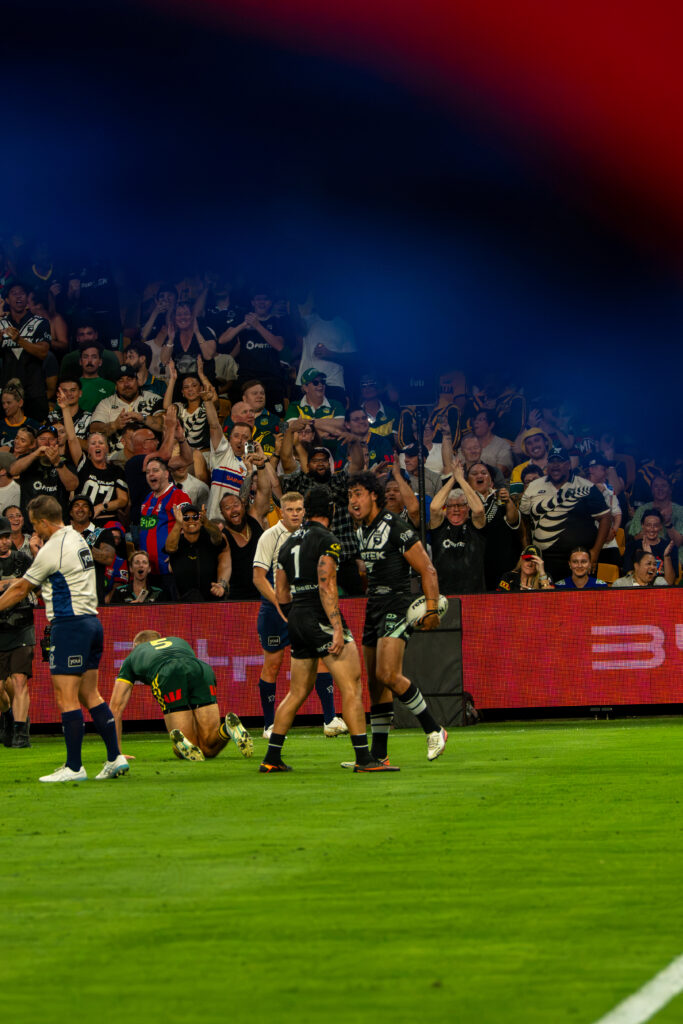
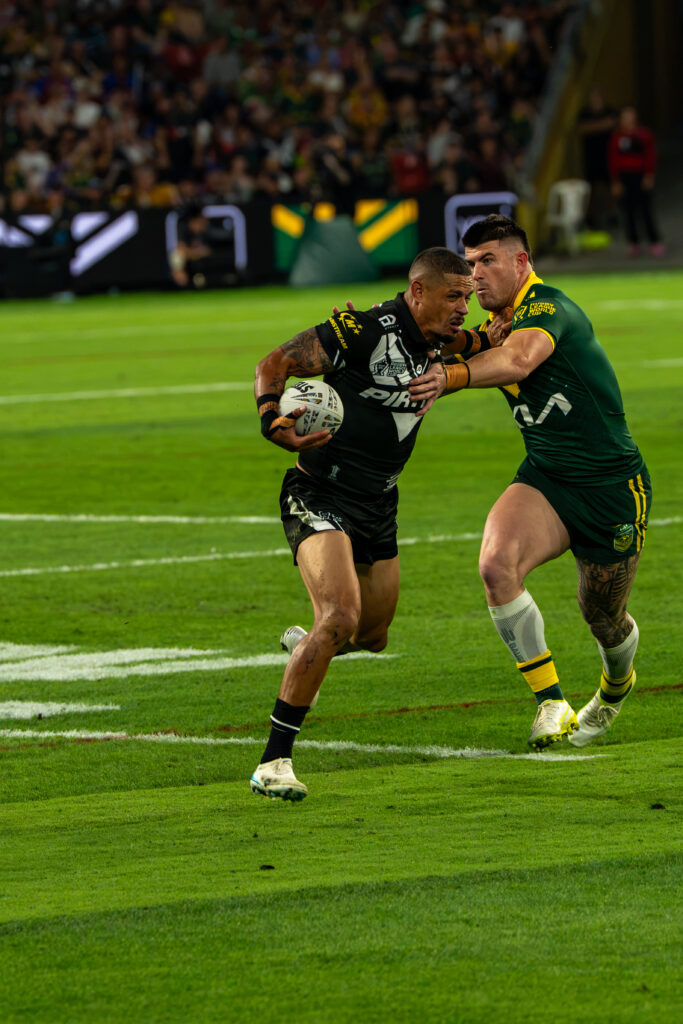
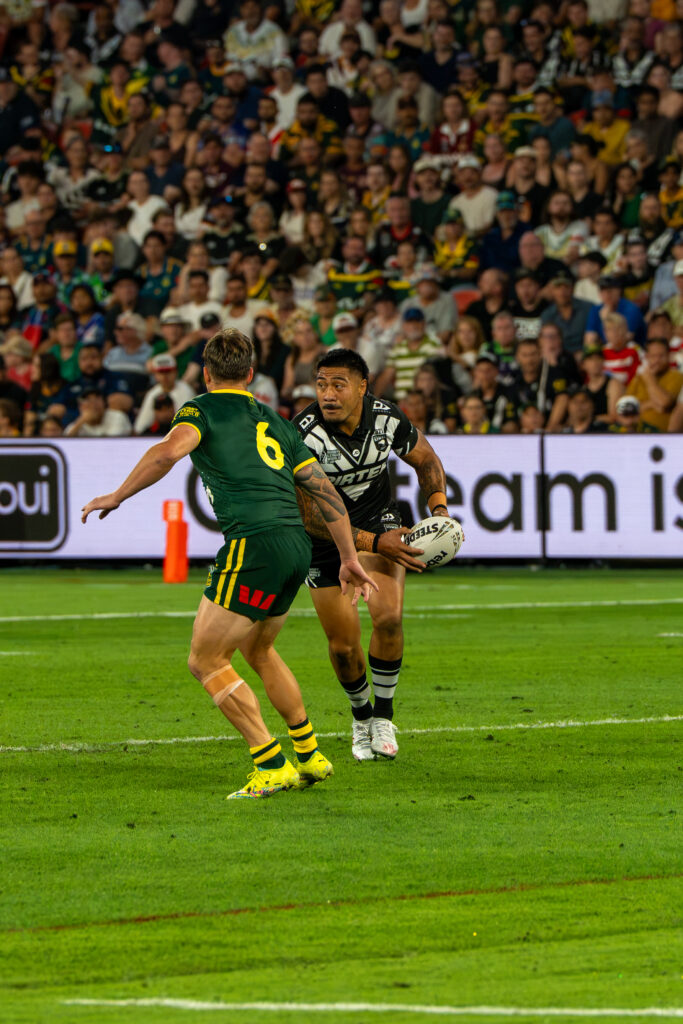
However, the final presented a different challenge. Australia made an immediate statement, capitalizing on an opening kick-off error before Liam Martin crossed in the second minute to give the Kangaroos an early advantage. New Zealand responded through young centre Casey McLean, who finished an attacking movement involving Kodi Nikorima to level the scores at 6-6. But Australia’s attacking combinations soon began to take control. Jack Bostock crossed in the 19th minute before Bradman Best extended the advantage. Martin then completed his double shortly before halftime, sending the Kangaroos into the break with a commanding 24-6 lead. The Kiwis faced an uphill battle in the second half, but continued to compete against an Australian side that had found its rhythm at the right time. Three minutes after the restart, Tom Trbojevic crossed following a brilliant attacking contribution from Reece Walsh, extending Australia’s lead to 28-6.
New Zealand continued searching for opportunities and eventually found another breakthrough through Isaiah Papali’i in the 66th minute. A well-weighted grubber from Nikorima allowed Papali’i to ground the ball, with Jamayne Isaako adding the conversion. The try provided a moment of encouragement for the Kiwi supporters, but Australia’s defence held firm for the remainder of the contest. Bostock completed his double late in the match to seal the 32-12 victory, finishing a standout tournament with nine tries and earning Player of the Final honours. For Australia, the performance was a fitting conclusion to a campaign that had gathered momentum throughout the competition. The Kangaroos controlled the middle, executed their attacking opportunities and limited New Zealand’s ability to build sustained pressure.
There was little to take away from their achievement. Australia deserved the championship, becoming the first nation to win four consecutive men’s Rugby League World Cups and extending its overall tally to 13 titles. But the final score should not overshadow what New Zealand accomplished throughout the tournament. For a team that had not appeared in a World Cup final since 2013, returning to the biggest stage was a significant achievement. Their performances against the Cook Islands, Fiji and Tonga demonstrated the quality within the squad, while their opening encounter with Australia showed just how competitive the rivalry could be. Head coach Stacey Jones also recognized the importance of the supporters who had followed the team throughout the competition.
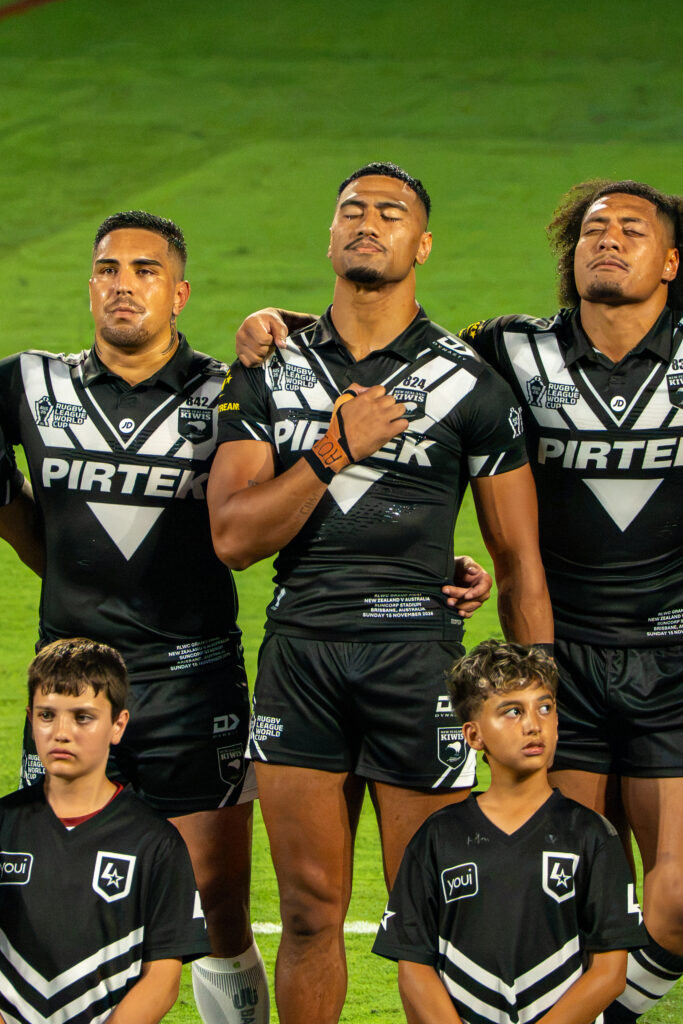
“Wherever we have been there has been lots of Kiwis support which has been fantastic,” Jones said ahead of the final. The coach also acknowledged the wider Pacific support that had helped create the atmosphere surrounding the tournament, while highlighting the excitement surrounding rugby league in New Zealand. For Fisher-Harris and his teammates, the disappointment of falling short will take time to settle. But their campaign gave supporters across Aotearoa plenty of reasons to stand behind them.
The Kiwis arrived in Brisbane chasing history. They leave without the trophy, but with a campaign that reminded the international rugby league community of the strength, pride and passion that New Zealand continues to bring to the game. For the supporters who filled the stands, travelled across the Tasman, wore the black jersey and stood behind their team from the opening whistle to the final siren, the journey was about more than one result. It was about representing Aotearoa on the world stage.
Australia may have lifted the trophy, but the Kiwis’ journey to the final was a reminder that international rugby league is strongest when nations, cultures and communities have something to rally behind. The World Cup returns to Australian hands, but the pride of Aotearoa and the support behind the Kiwis will remain long after the final whistle.